3.
a.
3Li - group 1A - 1 valence electron
b.
10Ne - group 8A - 8 valence electrons
c.
20Ca - group 2A - 2 valence electrons
d.
53I - group 7A - 7 valence electrons
7.
15.
a.
P3-
15 protons
18 electrons
b.
N3-
15 protons
18 electrons
c.
Mg2+
12 protons
10 electrons
d.
Li+
3 protons
2electrons
17.
a.
positive
b.
negative
c.
positive
d.
negative
21.
a.
Ne
b.
Ar
c.
Ne
d.
Ne
27.
29.
a.
Ba2+ : (1 ions) x (charge of +2) = +2
2(Cl-): (2 ions) x (charge of -1) = -2
net charge=0
b.
Ba2+ : (1 ions) x (charge of +2) = +2
2(Br-);(2 ions) x (charge of -1) = -2
net charge=0
c.
3(Ba2+) :(3 ions) x (charge of +2) = +6
2(N3-):(2 ions) x (charge of -3) = -6
net charge=0
d.
Ba2+ : (1 ions) x (charge of +2) = +2
O2- :(1 ions) x (charge of -2) = -2
net charge=0
31.
a.
2(F-): (2 ions) x (charge of -1) = -2
Mg2+:(1 ions) x (charge of +2) = +2
b.
2(F-): (2 ions) x (charge of -1) = -2
Be2+:(1 ions) x (charge of +2) = +2
c.
F-: (1 ions) x (charge of -1) = -1
Li+:(1 ions) x (charge of +1) = +1
d.
3(F-):(3 ions) x (charge of -1) = -3
Al3+:(1 ions) x (charge of +3) = +3
33.
a.
2(Na+):(2 ions) x (charge of +1) = +2
S2-:(1 ions) x (charge of -2) = -2
b.
Ca2+:(1 ions) x (charge of +2) = +2
2(I-):(2 ions) x (charge of -1) = -2
c.
3(Li+):(3 ions) x (charge of +1) = +3
N3-:(1 ions) x (charge of -3) = -3
d.
Al3+:(1 ions) x (charge of +3) = +3
3(Br-):(3 ions) x (charge of -1) = -3
35. a, b
37. a, c
43.
iron(iii) oxide
gold(iii) oxide
copper(ii) sulfide
cobalt(ii) bromide
49.
CoS
Co2S3
TiI4
51.
SO4(2-)
ClO(3-)
OH(-)
???
53.
PO4(3-) HPO4(2-)
NO(3-) NO(2-)
H3O(+) OH(-)
CrO4(2-) Cr2O7(2-)
55.
NaClO4
Fe 3(OH)
Ba 2(NO3)
2Al 3(CO3)
61.
4KC
2Au 3S
AgN
2CuP
3) This is because Carbon is the most abundant element that can give or take electrons, making it the most versatile.
4)A lone pair is a (valence) electron pair without bonding or sharing with other atoms. They are found in the outermost electron shell of an atom, so lone pairs are a subset of a molecule's valence electrons. I don't know how to answer the rest
5) It is favorable because it requires 3 bonds, so the most obvious solution would be to bond with its brothers.
6)coordinate covalent bond (formerly also known as dative bond, now obsolete) is a description of covalent bonding between two atoms in which both electrons shared in the bond come from the same atom.
the thing with this form of bonding is that its artificial, it doesn't need the other element.
i.e. NH4
7) this makes the bonds equidistant making the bond stronger
8)
Camphoric
Musky
Roses
Pepperminty
Etheral
Pungent
Putrid
9) electronegativity is the thing that helps pull elements together, florine being the one with the strongest pull
10) wikipedia says:Examples of household polar molecules include sugar (sucrose). Polar molecules are generally able to dissolve in water (H2O) due to the polar nature of water. therefor water is polar. Otherwise I don't know how to tell
11) i'm confused mel, how does this relate to the chapter, none of this is on there!
bonus(link doesn't work)
Sunday, February 17, 2008

Saturday, February 16, 2008
Chapter 5 Questions
Chapter 5
1. Read Chapter 5.
2. Complete the following questions:
5, 7, 9, 11, 15, 19, 21, 23, 29, 33, 35, 39, 41, 43, 47, 49, 51, 55.
4, 4, 4, 4, 4, 4, 4, 4, 4, 2, 4, 4, 4, 4, 4.
3. (2) Among the millions of compounds that are known to man, a very large percentage contain carbon chains. Why is this and how does it relate to covalent bonding?
4. (4) What are lone pair electrons and how many lone pairs does a molecule of water have? Find out the shape of a water molecule based on the VSEPR theory. How does this shape impact the properties of water?
5. (2) Why is it favourable for a molecule of N2 (nitrogen) to have a triple bond? How is it possible for a molecule of N2 to have a triple bond?
6. (3) What is coordinate covalent bonding and how is it different from normal covalent bonding?
7. (2) Why is the bond angle 120 degrees for a trigonal planar molecule?
8. (2) What are the seven primary odours?
9. (4) In your own words explain what electronegativity is. What element has the highest electronegativity? Lowest?
10. (2) Is water a polar or nonpolar molecule? How can you tell?
11. (2) Oil is make of long chains of carbon and hydrogen. Would a molecule of oil be polar or nonpolar? How can you tell?
Bonus: (1) Read this MSDS sheet: Haz clic aqui What is the most common name for DHMO?
Chapter Questions: 58
Assignment Questions: 22
Total Marks: 80
1. Read Chapter 5.
2. Complete the following questions:
5, 7, 9, 11, 15, 19, 21, 23, 29, 33, 35, 39, 41, 43, 47, 49, 51, 55.
4, 4, 4, 4, 4, 4, 4, 4, 4, 2, 4, 4, 4, 4, 4.
3. (2) Among the millions of compounds that are known to man, a very large percentage contain carbon chains. Why is this and how does it relate to covalent bonding?
4. (4) What are lone pair electrons and how many lone pairs does a molecule of water have? Find out the shape of a water molecule based on the VSEPR theory. How does this shape impact the properties of water?
5. (2) Why is it favourable for a molecule of N2 (nitrogen) to have a triple bond? How is it possible for a molecule of N2 to have a triple bond?
6. (3) What is coordinate covalent bonding and how is it different from normal covalent bonding?
7. (2) Why is the bond angle 120 degrees for a trigonal planar molecule?
8. (2) What are the seven primary odours?
9. (4) In your own words explain what electronegativity is. What element has the highest electronegativity? Lowest?
10. (2) Is water a polar or nonpolar molecule? How can you tell?
11. (2) Oil is make of long chains of carbon and hydrogen. Would a molecule of oil be polar or nonpolar? How can you tell?
Bonus: (1) Read this MSDS sheet: Haz clic aqui What is the most common name for DHMO?
Chapter Questions: 58
Assignment Questions: 22
Total Marks: 80
Sunday, February 3, 2008
Chapter 4 Questions
Ions, Ions Everywhere!
Preamble: Okay Schizz, so we're going to be talking about ionic substances, what they are and how to make them. In a lame attempt to make you excited about ions, let me tell you a little something...Despite the text's constant references to table salt as if it were the only ionic substance, there other ones that you know and love.
Rocks are often make of ionic bonds and they make up the majority of the stuff on earth. Ionic substances are in your bathroom cupboard (toothpaste) and in your kitchen cupboard (baking soda, baking powder, cream of tartar), and they are inside you.
Plus you wouldn't be alive without ions - Ion channels in your nerves allow you to sense the outside world. Ions tell your muscles to contract (especially the calcium ion). Also, as I'm sure you'll see, they form a major component of certain heavy weapons found in video games. Tee hee.
1. Read Chapter 4.
2. Complete the following chapter questions:
3, 7, 15, 17, 21, 27, 29, 31, 33, 35, 37, 43, 49, 51, 53, 55, 61.
4, 4, 4, 4, 4, 4, 4, 4, 4, 4, 4, 4, 4, 4, 4, 4, 4.
3. (1) Why are valence electrons the most important electrons in chemical reactions?
4. (2) Would you expect a "stable" compound to have the highest or lowest amount of energy contained within its electrons? Why?
5. (2) Why do you think that ions that have lost or gained more than three electrons are seldom encountered?
6. (4) Would you be likely to encounter an ion of F+? Mg+? Why or why not?
7. (2) Why is "formula unit" a better term than "molecule" when talking about ionic substances?
8. (3) Investigate the effects on humans of ingesting both sodium and chlorine. Why do you think its okay to eat table salt which has the chemical formula NaCl?
9. (5) Look at the following video and report on which ions produced which coloured flames. Based on the charge of each of the ions, give a possible ion or polyatomic ion from which it could have been paired. Eg Al3+ could have been paired with a P3- or 3 Cl- to make an ionic solid.
10. (2) Look at the following images of salt crystals:
Haz clic aqui
Haz clic aqui tambien
What do you notice about the shape of the crystals? How do you think this shape mirrors the atomic arrangement of table salt?
11. (2) Some mouthwashes and toothpastes contain sodium fluoride. Since they need to deliver only fluoride to the teeth, why do they include the sodium?
12. (4) Looking at Table 4.3, can you notice some general trends with how compounds are named? Hint: consider the "ate" ending as the "normal" or more usual ion. Note: it's important to know these trends.
Bonus
Based on your new knowledge of ions and ionic substances, propose a hypothesis as to how this ion cannon weapon would work:
Chapter Questions 68 Marks
Assignment Questions 27 Marks
Total Marks 95 Marks
Preamble: Okay Schizz, so we're going to be talking about ionic substances, what they are and how to make them. In a lame attempt to make you excited about ions, let me tell you a little something...Despite the text's constant references to table salt as if it were the only ionic substance, there other ones that you know and love.
Rocks are often make of ionic bonds and they make up the majority of the stuff on earth. Ionic substances are in your bathroom cupboard (toothpaste) and in your kitchen cupboard (baking soda, baking powder, cream of tartar), and they are inside you.
Plus you wouldn't be alive without ions - Ion channels in your nerves allow you to sense the outside world. Ions tell your muscles to contract (especially the calcium ion). Also, as I'm sure you'll see, they form a major component of certain heavy weapons found in video games. Tee hee.
1. Read Chapter 4.
2. Complete the following chapter questions:
3, 7, 15, 17, 21, 27, 29, 31, 33, 35, 37, 43, 49, 51, 53, 55, 61.
4, 4, 4, 4, 4, 4, 4, 4, 4, 4, 4, 4, 4, 4, 4, 4, 4.
3. (1) Why are valence electrons the most important electrons in chemical reactions?
4. (2) Would you expect a "stable" compound to have the highest or lowest amount of energy contained within its electrons? Why?
5. (2) Why do you think that ions that have lost or gained more than three electrons are seldom encountered?
6. (4) Would you be likely to encounter an ion of F+? Mg+? Why or why not?
7. (2) Why is "formula unit" a better term than "molecule" when talking about ionic substances?
8. (3) Investigate the effects on humans of ingesting both sodium and chlorine. Why do you think its okay to eat table salt which has the chemical formula NaCl?
9. (5) Look at the following video and report on which ions produced which coloured flames. Based on the charge of each of the ions, give a possible ion or polyatomic ion from which it could have been paired. Eg Al3+ could have been paired with a P3- or 3 Cl- to make an ionic solid.
10. (2) Look at the following images of salt crystals:
Haz clic aqui
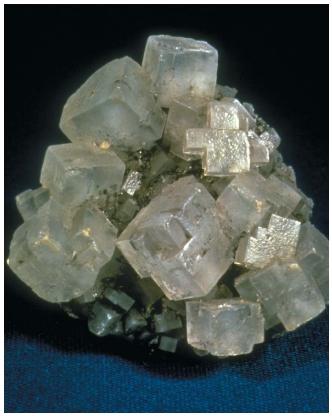
Haz clic aqui tambien

What do you notice about the shape of the crystals? How do you think this shape mirrors the atomic arrangement of table salt?
11. (2) Some mouthwashes and toothpastes contain sodium fluoride. Since they need to deliver only fluoride to the teeth, why do they include the sodium?
12. (4) Looking at Table 4.3, can you notice some general trends with how compounds are named? Hint: consider the "ate" ending as the "normal" or more usual ion. Note: it's important to know these trends.
Bonus
Based on your new knowledge of ions and ionic substances, propose a hypothesis as to how this ion cannon weapon would work:
Chapter Questions 68 Marks
Assignment Questions 27 Marks
Total Marks 95 Marks
Saturday, February 2, 2008
Test 1 Responses
Test 1 - Matter, Measurements, and the Periodic Table
Multiple Choice (1 mark each)
1. Which of the following is an element?
a. Ethanol
b. Mica
c. Bismuth
d. Codeine
e. J-E-L-L-O
C
2. What will happen if you remove a proton from an atom of hydrogen?
a. The atom will acquire a positive charge.
b. There will be no change
c. The atom will be lighter but otherwise unchanged
d. The atom will cease to exist
e. The atom will acquire a negative charge
D
3. What are the two most common substances in the universe?
a. Hydrogen and oxygen
b. Nitrogen and oxygen
c. Silica and oxygen
d. Sodium and chloride
e. Hydrogen and helium
E
4. How many atoms are in a molecule of Al2(SO4)3?
a. 18
b. 17
c. 16
d. 15
e. 14
B
5. Change 0.000004394m into nanometres. How many nanometres would you have?
a. 4394 nm
b. 439.4 nm
c. 43.94 nm
d. 4.394 nm
e. 0.4394 nm
A
6. The Starbucks water bottle you gave me has markings of between 1 and 8 ounces. To how many significant figures do you know how much water is in the bottle?
a. 0
b. 1
c. 2
d. 3
e. 4
C
7. How many signifcant figures are in the following number? 24,000.0016700
a. 5
b. 7
c. 9
d. 11
e. 12
E
8. You travel 100 km in 7 hours. Therefore, how far have you travelled?
a. 14.28 km/hr
b. 1.4E2 km/hr
c. 1E1 km/hr
d. 14.285714285 km/hr
e. 14.2 km/hr
C
9. How can you convert mass into volume and back again?
a. Mass and volume are not interchangeable.
b. Mass and volume are interchangeable only if you know the weight of the substance.
c. Mass and volume are different ways to state the same measurement.
d. Mass and volume are interchangeable only if you know the density of the substance.
e. Mass has only to do with solids and volume only has to do with liquids. Therefore, they are not interchangeable.
D
9. Strontium is in the second column and fifth row of the periodic table. Its electron configuration ends with:
a. 5s2
b. 2p5
c. 5p2
d. 2s2
e. 2s5
A
10. Zinc is in the fourth row and twelfth column of the periodic table. Its electronic configuration ends with:
a. 4d12
b. 4d10
c. 12d4
d. 4p12
e. 12p4
C
11. How many protons does an atom of magnesium have? It has an electron configuration of: 1s2 2s2 2p6 3s2.
a. 8
b. 2
c. 7
d. 11
e. 12
E
12. The distinguishing electron is
a. the one with the top marks
b. the electron with the highest energy
c. the electron with the lowest energy
d. an electron in one of the "d" orbitals
e. the electron found in the 1s1 orbital
E
13. Which of these elements is a noble gas?
a. Chlorine
b. Bromine
c. Hydrogen
d. Oxygen
e. Xenon
E
14. The length of the average bacterium is about 500 nm. How many metres is this?
a. 5E-7
b. 5E-8
c. 5E-9
d. 5E-10
e. None of the above
A
15. Your body temperature is 37˚C. What is this in Kelvin?
a. 298 K
b. 371 K
c. 310 K
d. 373 K
e. 236 K
C
16. A pound of feathers and a pound of lead have the same weight and mass. However, they don't share the same:
a. Attitude towards life
b. Density
c. Acceleration due to gravity
d. Heterogeneity
e. Temperature dependence
B
17.You are making brownies for Mel. You have a measuring cup with every 100mL marked off. To how many decimal places is your measurement accurate in litres ?
a. 0
b. 1
c. 2
d. 3
e. 4
C
True or False (1 mark each)
If the answer is false, correct the answer to make it true.
18. Hydrogen gas gives off a smell like rotten eggs. This is a physical property.
True
19. Baking soda - NaHCO3 gives cakes their fluffy texture by decomposing into carbon dioxide (CO2) gas bubbles. This is a physical change.
False - chemical change
20. You can change one compound into another by intensive physical means.
True
21. A compound must contain at least two elements.
True
22. An inexact number is one with uncertainty associated with it.
True
23. The p-orbital is circular.
False - s orbital is circular
24. The number of protons must equal the number of neutrons in an atom with no charge.
False - the number of electrons must equal the number of protons
Short Answer (3 marks each)
25. You have a heterogeneous mixture of wood shavings, iron shavings, salt, and fine Florida sand. Give the steps that you would take to separate them.
Magnet to remove iron
Water to dissolve salt
Burn the wood shavings
26. What would happen to a molecule of carbon if you removed
a) an electron - positive ion
b) a proton - turns into boron
c) a neutron - you make an isotope
27. What three questions would you consider when trying to classify a substance as homogeneous/heterogeneous, pure substance/mixture, and element/compound?
Heterogeneous - you can't see two separate phases
Pure substance - element
Mixture - not an element
Element- cannot be broken down
Compound - can be broken down further
28. State the physical properties that differ between solids/liquids and liquids/gases.
S/L - liquid conforms to the shape of it's container.
L/G - gas will adopt the shape and size of its container. Gas is compressible and liquid is not
29. Your girlfriend's new hissing cockroach weighs 31.47 g. If one gram is equal to 1/454 pounds how many cockroaches would you need to equal your body weight in pounds?
2175 cockroaches.
30. Palladium is in the fifth row and the 10th column of the periodic table. Give it's complete electron configuration.
1s2 2s2 2p6 3s2 3p6 4s2 3d10 4p6 5s2 4d8
31. What are the four pieces of information needed to identify an electron in an atom?
Shell, subshell, orbital, spin.
Long Answer (5 marks)
32. With your knowledge of the structure of the atom, explain the following:
A beam of positive fast-moving particles was aimed at a thin piece of gold foil. Most of the particles passed through the foil and hit the detector on the other side of the foil, but a few of them were deflected at high angles, sometimes even backwards (ie towards the stream of incoming particles).
Bonus (1 mark each)
What is the colour of element #114?
No one has ever seen this element.
What do the subshell letters s, p, d and f stand for?
No answer
Complete the following calculation to the correct number of significant digits:
[(24.3+34.76)*6.7837] / (4.015-1.0) = 1.328E2
Multiple Choice (1 mark each)
1. Which of the following is an element?
a. Ethanol
b. Mica
c. Bismuth
d. Codeine
e. J-E-L-L-O
C
2. What will happen if you remove a proton from an atom of hydrogen?
a. The atom will acquire a positive charge.
b. There will be no change
c. The atom will be lighter but otherwise unchanged
d. The atom will cease to exist
e. The atom will acquire a negative charge
D
3. What are the two most common substances in the universe?
a. Hydrogen and oxygen
b. Nitrogen and oxygen
c. Silica and oxygen
d. Sodium and chloride
e. Hydrogen and helium
E
4. How many atoms are in a molecule of Al2(SO4)3?
a. 18
b. 17
c. 16
d. 15
e. 14
B
5. Change 0.000004394m into nanometres. How many nanometres would you have?
a. 4394 nm
b. 439.4 nm
c. 43.94 nm
d. 4.394 nm
e. 0.4394 nm
A
6. The Starbucks water bottle you gave me has markings of between 1 and 8 ounces. To how many significant figures do you know how much water is in the bottle?
a. 0
b. 1
c. 2
d. 3
e. 4
C
7. How many signifcant figures are in the following number? 24,000.0016700
a. 5
b. 7
c. 9
d. 11
e. 12
E
8. You travel 100 km in 7 hours. Therefore, how far have you travelled?
a. 14.28 km/hr
b. 1.4E2 km/hr
c. 1E1 km/hr
d. 14.285714285 km/hr
e. 14.2 km/hr
C
9. How can you convert mass into volume and back again?
a. Mass and volume are not interchangeable.
b. Mass and volume are interchangeable only if you know the weight of the substance.
c. Mass and volume are different ways to state the same measurement.
d. Mass and volume are interchangeable only if you know the density of the substance.
e. Mass has only to do with solids and volume only has to do with liquids. Therefore, they are not interchangeable.
D
9. Strontium is in the second column and fifth row of the periodic table. Its electron configuration ends with:
a. 5s2
b. 2p5
c. 5p2
d. 2s2
e. 2s5
A
10. Zinc is in the fourth row and twelfth column of the periodic table. Its electronic configuration ends with:
a. 4d12
b. 4d10
c. 12d4
d. 4p12
e. 12p4
C
11. How many protons does an atom of magnesium have? It has an electron configuration of: 1s2 2s2 2p6 3s2.
a. 8
b. 2
c. 7
d. 11
e. 12
E
12. The distinguishing electron is
a. the one with the top marks
b. the electron with the highest energy
c. the electron with the lowest energy
d. an electron in one of the "d" orbitals
e. the electron found in the 1s1 orbital
E
13. Which of these elements is a noble gas?
a. Chlorine
b. Bromine
c. Hydrogen
d. Oxygen
e. Xenon
E
14. The length of the average bacterium is about 500 nm. How many metres is this?
a. 5E-7
b. 5E-8
c. 5E-9
d. 5E-10
e. None of the above
A
15. Your body temperature is 37˚C. What is this in Kelvin?
a. 298 K
b. 371 K
c. 310 K
d. 373 K
e. 236 K
C
16. A pound of feathers and a pound of lead have the same weight and mass. However, they don't share the same:
a. Attitude towards life
b. Density
c. Acceleration due to gravity
d. Heterogeneity
e. Temperature dependence
B
17.You are making brownies for Mel. You have a measuring cup with every 100mL marked off. To how many decimal places is your measurement accurate in litres ?
a. 0
b. 1
c. 2
d. 3
e. 4
C
True or False (1 mark each)
If the answer is false, correct the answer to make it true.
18. Hydrogen gas gives off a smell like rotten eggs. This is a physical property.
True
19. Baking soda - NaHCO3 gives cakes their fluffy texture by decomposing into carbon dioxide (CO2) gas bubbles. This is a physical change.
False - chemical change
20. You can change one compound into another by intensive physical means.
True
21. A compound must contain at least two elements.
True
22. An inexact number is one with uncertainty associated with it.
True
23. The p-orbital is circular.
False - s orbital is circular
24. The number of protons must equal the number of neutrons in an atom with no charge.
False - the number of electrons must equal the number of protons
Short Answer (3 marks each)
25. You have a heterogeneous mixture of wood shavings, iron shavings, salt, and fine Florida sand. Give the steps that you would take to separate them.
Magnet to remove iron
Water to dissolve salt
Burn the wood shavings
26. What would happen to a molecule of carbon if you removed
a) an electron - positive ion
b) a proton - turns into boron
c) a neutron - you make an isotope
27. What three questions would you consider when trying to classify a substance as homogeneous/heterogeneous, pure substance/mixture, and element/compound?
Heterogeneous - you can't see two separate phases
Pure substance - element
Mixture - not an element
Element- cannot be broken down
Compound - can be broken down further
28. State the physical properties that differ between solids/liquids and liquids/gases.
S/L - liquid conforms to the shape of it's container.
L/G - gas will adopt the shape and size of its container. Gas is compressible and liquid is not
29. Your girlfriend's new hissing cockroach weighs 31.47 g. If one gram is equal to 1/454 pounds how many cockroaches would you need to equal your body weight in pounds?
2175 cockroaches.
30. Palladium is in the fifth row and the 10th column of the periodic table. Give it's complete electron configuration.
1s2 2s2 2p6 3s2 3p6 4s2 3d10 4p6 5s2 4d8
31. What are the four pieces of information needed to identify an electron in an atom?
Shell, subshell, orbital, spin.
Long Answer (5 marks)
32. With your knowledge of the structure of the atom, explain the following:
A beam of positive fast-moving particles was aimed at a thin piece of gold foil. Most of the particles passed through the foil and hit the detector on the other side of the foil, but a few of them were deflected at high angles, sometimes even backwards (ie towards the stream of incoming particles).
Bonus (1 mark each)
What is the colour of element #114?
No one has ever seen this element.
What do the subshell letters s, p, d and f stand for?
No answer
Complete the following calculation to the correct number of significant digits:
[(24.3+34.76)*6.7837] / (4.015-1.0) = 1.328E2
Test 1
Test 1 - Matter, Measurements, and the Periodic Table
Total - Out of 50 Marks
You may use the periodic table at the beginning of your text book, and also a calculator for this test.
Multiple Choice (1 mark each)
1. Which of the following is an element?
a. Ethanol
b. Mica
c. Bismuth
d. Codeine
e. J-E-L-L-O
2. What will happen if you remove a proton from an atom of hydrogen?
a. The atom will acquire a positive charge.
b. There will be no change
c. The atom will be lighter but otherwise unchanged
d. The atom will cease to exist
e. The atom will acquire a negative charge
3. What are the two most common substances in the universe?
a. Hydrogen and oxygen
b. Nitrogen and oxygen
c. Silica and oxygen
d. Sodium and chloride
e. Hydrogen and helium
4. How many atoms are in a molecule of Al2(SO4)3?
a. 18
b. 17
c. 16
d. 15
e. 14
5. Change 0.000004394m into nanometres. How many nanometres would you have?
a. 4394 nm
b. 439.4 nm
c. 43.94 nm
d. 4.394 nm
e. 0.4394 nm
6. The Starbucks water bottle you gave me has markings of between 1 and 8 ounces. To how many significant figures do you know how much water is in the bottle?
a. 0
b. 1
c. 2
d. 3
e. 4
7. How many signifcant figures are in the following number? 24,000.0016700
a. 5
b. 7
c. 9
d. 11
e. 12
8. You travel 100 km in 7 hours. Therefore, how far have you travelled?
a. 14.28 km/hr
b. 1.4E2 km/hr
c. 1E1 km/hr
d. 14.285714285 km/hr
e. 14.2 km/hr
9. How can you convert mass into volume and back again?
a. Mass and volume are not interchangeable.
b. Mass and volume are interchangeable only if you know the weight of the substance.
c. Mass and volume are different ways to state the same measurement.
d. Mass and volume are interchangeable only if you know the density of the substance.
e. Mass has only to do with solids and volume only has to do with liquids. Therefore, they are not interchangeable.
9. Strontium is in the second column and fifth row of the periodic table. Its electron configuration ends with:
a. 5s2
b. 2p5
c. 5p2
d. 2s2
e. 2s5
10. Zinc is in the fourth row and twelfth column of the periodic table. Its electronic configuration ends with:
a. 4d12
b. 4d10
c. 12d4
d. 4p12
e. 12p4
11. How many protons does an atom of magnesium have? It has an electron configuration of: 1s2 2s2 2p6 3s2.
a. 8
b. 2
c. 7
d. 11
e. 12
12. The distinguishing electron is
a. the one with the top marks
b. the electron with the highest energy
c. the electron with the lowest energy
d. an electron in one of the "d" orbitals
e. the electron found in the 1s1 orbital
13. Which of these elements is a noble gas?
a. Chlorine
b. Bromine
c. Hydrogen
d. Oxygen
e. Xenon
14. The length of the average bacterium is about 500 nm. How many metres is this?
a. 5E-7
b. 5E-8
c. 5E-9
d. 5E-10
e. None of the above
15. Your body temperature is 37˚C. What is this in Kelvin?
a. 298 K
b. 371 K
c. 310 K
d. 373 K
e. 236 K
16. A pound of feathers and a pound of lead have the same weight and mass. However, they don't share the same:
a. Attitude towards life
b. Density
c. Acceleration due to gravity
d. Heterogeneity
e. Temperature dependence
17.You are making brownies for Mel. You have a measuring cup with every 100mL marked off. To how many decimal places is your measurement accurate in litres ?
a. 0
b. 1
c. 2
d. 3
e. 4
True or False (1 mark each)
If the answer is false, correct the answer to make it true.
18. Hydrogen gas gives off a smell like rotten eggs. This is a physical property.
19. Baking soda - NaHCO3 gives cakes their fluffy texture by decomposing into carbon dioxide (CO2) gas bubbles. This is a physical change.
20. You can change one compound into another by intensive physical means.
21. A compound must contain at least two elements.
22. An inexact number is one with uncertainty associated with it.
23. The p-orbital is circular.
24. The number of protons must equal the number of neutrons in an atom with no charge.
Short Answer (3 marks each)
25. You have a heterogeneous mixture of wood shavings, iron shavings, salt, and fine Florida sand. Give the steps that you would take to separate them.
26. What would happen to a molecule of carbon if you removed
a) an electron
b) a proton
c) a neutron
27. What three questions would you consider when trying to classify a substance as homogeneous/heterogeneous, pure substance/mixture, and element/compound?
28. State the physical properties that differ between solids/liquids and liquids/gases.
29. Your girlfriend's new hissing cockroach weighs 31.47 g. If one gram is equal to 1/454 pounds how many cockroaches would you need to equal your body weight in pounds?
30. Palladium is in the fifth row and the 10th column of the periodic table. Give it's complete electron configuration.
31. What are the four pieces of information needed to identify an electron in an atom?
Long Answer (5 marks)
32. With your knowledge of the structure of the atom, explain the following:
A beam of positive fast-moving particles was aimed at a thin piece of gold foil. Most of the particles passed through the foil and hit the detector on the other side of the foil, but a few of them were deflected at high angles, sometimes even backwards (ie towards the stream of incoming particles).
Bonus (1 mark each)
What is the colour of element #114?
What do the subshell letters s, p, d and f stand for?
Complete the following calculation to the correct number of significant digits:
[(24.3+34.76)*6.7837] / (4.015-1.0)
Total - Out of 50 Marks
You may use the periodic table at the beginning of your text book, and also a calculator for this test.
Multiple Choice (1 mark each)
1. Which of the following is an element?
a. Ethanol
b. Mica
c. Bismuth
d. Codeine
e. J-E-L-L-O
2. What will happen if you remove a proton from an atom of hydrogen?
a. The atom will acquire a positive charge.
b. There will be no change
c. The atom will be lighter but otherwise unchanged
d. The atom will cease to exist
e. The atom will acquire a negative charge
3. What are the two most common substances in the universe?
a. Hydrogen and oxygen
b. Nitrogen and oxygen
c. Silica and oxygen
d. Sodium and chloride
e. Hydrogen and helium
4. How many atoms are in a molecule of Al2(SO4)3?
a. 18
b. 17
c. 16
d. 15
e. 14
5. Change 0.000004394m into nanometres. How many nanometres would you have?
a. 4394 nm
b. 439.4 nm
c. 43.94 nm
d. 4.394 nm
e. 0.4394 nm
6. The Starbucks water bottle you gave me has markings of between 1 and 8 ounces. To how many significant figures do you know how much water is in the bottle?
a. 0
b. 1
c. 2
d. 3
e. 4
7. How many signifcant figures are in the following number? 24,000.0016700
a. 5
b. 7
c. 9
d. 11
e. 12
8. You travel 100 km in 7 hours. Therefore, how far have you travelled?
a. 14.28 km/hr
b. 1.4E2 km/hr
c. 1E1 km/hr
d. 14.285714285 km/hr
e. 14.2 km/hr
9. How can you convert mass into volume and back again?
a. Mass and volume are not interchangeable.
b. Mass and volume are interchangeable only if you know the weight of the substance.
c. Mass and volume are different ways to state the same measurement.
d. Mass and volume are interchangeable only if you know the density of the substance.
e. Mass has only to do with solids and volume only has to do with liquids. Therefore, they are not interchangeable.
9. Strontium is in the second column and fifth row of the periodic table. Its electron configuration ends with:
a. 5s2
b. 2p5
c. 5p2
d. 2s2
e. 2s5
10. Zinc is in the fourth row and twelfth column of the periodic table. Its electronic configuration ends with:
a. 4d12
b. 4d10
c. 12d4
d. 4p12
e. 12p4
11. How many protons does an atom of magnesium have? It has an electron configuration of: 1s2 2s2 2p6 3s2.
a. 8
b. 2
c. 7
d. 11
e. 12
12. The distinguishing electron is
a. the one with the top marks
b. the electron with the highest energy
c. the electron with the lowest energy
d. an electron in one of the "d" orbitals
e. the electron found in the 1s1 orbital
13. Which of these elements is a noble gas?
a. Chlorine
b. Bromine
c. Hydrogen
d. Oxygen
e. Xenon
14. The length of the average bacterium is about 500 nm. How many metres is this?
a. 5E-7
b. 5E-8
c. 5E-9
d. 5E-10
e. None of the above
15. Your body temperature is 37˚C. What is this in Kelvin?
a. 298 K
b. 371 K
c. 310 K
d. 373 K
e. 236 K
16. A pound of feathers and a pound of lead have the same weight and mass. However, they don't share the same:
a. Attitude towards life
b. Density
c. Acceleration due to gravity
d. Heterogeneity
e. Temperature dependence
17.You are making brownies for Mel. You have a measuring cup with every 100mL marked off. To how many decimal places is your measurement accurate in litres ?
a. 0
b. 1
c. 2
d. 3
e. 4
True or False (1 mark each)
If the answer is false, correct the answer to make it true.
18. Hydrogen gas gives off a smell like rotten eggs. This is a physical property.
19. Baking soda - NaHCO3 gives cakes their fluffy texture by decomposing into carbon dioxide (CO2) gas bubbles. This is a physical change.
20. You can change one compound into another by intensive physical means.
21. A compound must contain at least two elements.
22. An inexact number is one with uncertainty associated with it.
23. The p-orbital is circular.
24. The number of protons must equal the number of neutrons in an atom with no charge.
Short Answer (3 marks each)
25. You have a heterogeneous mixture of wood shavings, iron shavings, salt, and fine Florida sand. Give the steps that you would take to separate them.
26. What would happen to a molecule of carbon if you removed
a) an electron
b) a proton
c) a neutron
27. What three questions would you consider when trying to classify a substance as homogeneous/heterogeneous, pure substance/mixture, and element/compound?
28. State the physical properties that differ between solids/liquids and liquids/gases.
29. Your girlfriend's new hissing cockroach weighs 31.47 g. If one gram is equal to 1/454 pounds how many cockroaches would you need to equal your body weight in pounds?
30. Palladium is in the fifth row and the 10th column of the periodic table. Give it's complete electron configuration.
31. What are the four pieces of information needed to identify an electron in an atom?
Long Answer (5 marks)
32. With your knowledge of the structure of the atom, explain the following:
A beam of positive fast-moving particles was aimed at a thin piece of gold foil. Most of the particles passed through the foil and hit the detector on the other side of the foil, but a few of them were deflected at high angles, sometimes even backwards (ie towards the stream of incoming particles).
Bonus (1 mark each)
What is the colour of element #114?
What do the subshell letters s, p, d and f stand for?
Complete the following calculation to the correct number of significant digits:
[(24.3+34.76)*6.7837] / (4.015-1.0)
Subscribe to:
Posts (Atom)