Friday, March 28, 2008

Sunday, February 17, 2008
chptr 4 answers
3.
a.
3Li - group 1A - 1 valence electron
b.
10Ne - group 8A - 8 valence electrons
c.
20Ca - group 2A - 2 valence electrons
d.
53I - group 7A - 7 valence electrons
7.
15.
a.
P3-
15 protons
18 electrons
b.
N3-
15 protons
18 electrons
c.
Mg2+
12 protons
10 electrons
d.
Li+
3 protons
2electrons
17.
a.
positive
b.
negative
c.
positive
d.
negative
21.
a.
Ne
b.
Ar
c.
Ne
d.
Ne
27.
29.
a.
Ba2+ : (1 ions) x (charge of +2) = +2
2(Cl-): (2 ions) x (charge of -1) = -2
net charge=0
b.
Ba2+ : (1 ions) x (charge of +2) = +2
2(Br-);(2 ions) x (charge of -1) = -2
net charge=0
c.
3(Ba2+) :(3 ions) x (charge of +2) = +6
2(N3-):(2 ions) x (charge of -3) = -6
net charge=0
d.
Ba2+ : (1 ions) x (charge of +2) = +2
O2- :(1 ions) x (charge of -2) = -2
net charge=0
31.
a.
2(F-): (2 ions) x (charge of -1) = -2
Mg2+:(1 ions) x (charge of +2) = +2
b.
2(F-): (2 ions) x (charge of -1) = -2
Be2+:(1 ions) x (charge of +2) = +2
c.
F-: (1 ions) x (charge of -1) = -1
Li+:(1 ions) x (charge of +1) = +1
d.
3(F-):(3 ions) x (charge of -1) = -3
Al3+:(1 ions) x (charge of +3) = +3
33.
a.
2(Na+):(2 ions) x (charge of +1) = +2
S2-:(1 ions) x (charge of -2) = -2
b.
Ca2+:(1 ions) x (charge of +2) = +2
2(I-):(2 ions) x (charge of -1) = -2
c.
3(Li+):(3 ions) x (charge of +1) = +3
N3-:(1 ions) x (charge of -3) = -3
d.
Al3+:(1 ions) x (charge of +3) = +3
3(Br-):(3 ions) x (charge of -1) = -3
35. a, b
37. a, c
43.
iron(iii) oxide
gold(iii) oxide
copper(ii) sulfide
cobalt(ii) bromide
49.
CoS
Co2S3
TiI4
51.
SO4(2-)
ClO(3-)
OH(-)
???
53.
PO4(3-) HPO4(2-)
NO(3-) NO(2-)
H3O(+) OH(-)
CrO4(2-) Cr2O7(2-)
55.
NaClO4
Fe 3(OH)
Ba 2(NO3)
2Al 3(CO3)
61.
4KC
2Au 3S
AgN
2CuP
3) This is because Carbon is the most abundant element that can give or take electrons, making it the most versatile.
4)A lone pair is a (valence) electron pair without bonding or sharing with other atoms. They are found in the outermost electron shell of an atom, so lone pairs are a subset of a molecule's valence electrons. I don't know how to answer the rest
5) It is favorable because it requires 3 bonds, so the most obvious solution would be to bond with its brothers.
6)coordinate covalent bond (formerly also known as dative bond, now obsolete) is a description of covalent bonding between two atoms in which both electrons shared in the bond come from the same atom.
the thing with this form of bonding is that its artificial, it doesn't need the other element.
i.e. NH4
7) this makes the bonds equidistant making the bond stronger
8)
Camphoric
Musky
Roses
Pepperminty
Etheral
Pungent
Putrid
9) electronegativity is the thing that helps pull elements together, florine being the one with the strongest pull
10) wikipedia says:Examples of household polar molecules include sugar (sucrose). Polar molecules are generally able to dissolve in water (H2O) due to the polar nature of water. therefor water is polar. Otherwise I don't know how to tell
11) i'm confused mel, how does this relate to the chapter, none of this is on there!
bonus(link doesn't work)
a.
3Li - group 1A - 1 valence electron
b.
10Ne - group 8A - 8 valence electrons
c.
20Ca - group 2A - 2 valence electrons
d.
53I - group 7A - 7 valence electrons
7.
15.
a.
P3-
15 protons
18 electrons
b.
N3-
15 protons
18 electrons
c.
Mg2+
12 protons
10 electrons
d.
Li+
3 protons
2electrons
17.
a.
positive
b.
negative
c.
positive
d.
negative
21.
a.
Ne
b.
Ar
c.
Ne
d.
Ne
27.
29.
a.
Ba2+ : (1 ions) x (charge of +2) = +2
2(Cl-): (2 ions) x (charge of -1) = -2
net charge=0
b.
Ba2+ : (1 ions) x (charge of +2) = +2
2(Br-);(2 ions) x (charge of -1) = -2
net charge=0
c.
3(Ba2+) :(3 ions) x (charge of +2) = +6
2(N3-):(2 ions) x (charge of -3) = -6
net charge=0
d.
Ba2+ : (1 ions) x (charge of +2) = +2
O2- :(1 ions) x (charge of -2) = -2
net charge=0
31.
a.
2(F-): (2 ions) x (charge of -1) = -2
Mg2+:(1 ions) x (charge of +2) = +2
b.
2(F-): (2 ions) x (charge of -1) = -2
Be2+:(1 ions) x (charge of +2) = +2
c.
F-: (1 ions) x (charge of -1) = -1
Li+:(1 ions) x (charge of +1) = +1
d.
3(F-):(3 ions) x (charge of -1) = -3
Al3+:(1 ions) x (charge of +3) = +3
33.
a.
2(Na+):(2 ions) x (charge of +1) = +2
S2-:(1 ions) x (charge of -2) = -2
b.
Ca2+:(1 ions) x (charge of +2) = +2
2(I-):(2 ions) x (charge of -1) = -2
c.
3(Li+):(3 ions) x (charge of +1) = +3
N3-:(1 ions) x (charge of -3) = -3
d.
Al3+:(1 ions) x (charge of +3) = +3
3(Br-):(3 ions) x (charge of -1) = -3
35. a, b
37. a, c
43.
iron(iii) oxide
gold(iii) oxide
copper(ii) sulfide
cobalt(ii) bromide
49.
CoS
Co2S3
TiI4
51.
SO4(2-)
ClO(3-)
OH(-)
???
53.
PO4(3-) HPO4(2-)
NO(3-) NO(2-)
H3O(+) OH(-)
CrO4(2-) Cr2O7(2-)
55.
NaClO4
Fe 3(OH)
Ba 2(NO3)
2Al 3(CO3)
61.
4KC
2Au 3S
AgN
2CuP
3) This is because Carbon is the most abundant element that can give or take electrons, making it the most versatile.
4)A lone pair is a (valence) electron pair without bonding or sharing with other atoms. They are found in the outermost electron shell of an atom, so lone pairs are a subset of a molecule's valence electrons. I don't know how to answer the rest
5) It is favorable because it requires 3 bonds, so the most obvious solution would be to bond with its brothers.
6)coordinate covalent bond (formerly also known as dative bond, now obsolete) is a description of covalent bonding between two atoms in which both electrons shared in the bond come from the same atom.
the thing with this form of bonding is that its artificial, it doesn't need the other element.
i.e. NH4
7) this makes the bonds equidistant making the bond stronger
8)
Camphoric
Musky
Roses
Pepperminty
Etheral
Pungent
Putrid
9) electronegativity is the thing that helps pull elements together, florine being the one with the strongest pull
10) wikipedia says:Examples of household polar molecules include sugar (sucrose). Polar molecules are generally able to dissolve in water (H2O) due to the polar nature of water. therefor water is polar. Otherwise I don't know how to tell
11) i'm confused mel, how does this relate to the chapter, none of this is on there!
bonus(link doesn't work)
Saturday, February 16, 2008
Chapter 5 Questions
Chapter 5
1. Read Chapter 5.
2. Complete the following questions:
5, 7, 9, 11, 15, 19, 21, 23, 29, 33, 35, 39, 41, 43, 47, 49, 51, 55.
4, 4, 4, 4, 4, 4, 4, 4, 4, 2, 4, 4, 4, 4, 4.
3. (2) Among the millions of compounds that are known to man, a very large percentage contain carbon chains. Why is this and how does it relate to covalent bonding?
4. (4) What are lone pair electrons and how many lone pairs does a molecule of water have? Find out the shape of a water molecule based on the VSEPR theory. How does this shape impact the properties of water?
5. (2) Why is it favourable for a molecule of N2 (nitrogen) to have a triple bond? How is it possible for a molecule of N2 to have a triple bond?
6. (3) What is coordinate covalent bonding and how is it different from normal covalent bonding?
7. (2) Why is the bond angle 120 degrees for a trigonal planar molecule?
8. (2) What are the seven primary odours?
9. (4) In your own words explain what electronegativity is. What element has the highest electronegativity? Lowest?
10. (2) Is water a polar or nonpolar molecule? How can you tell?
11. (2) Oil is make of long chains of carbon and hydrogen. Would a molecule of oil be polar or nonpolar? How can you tell?
Bonus: (1) Read this MSDS sheet: Haz clic aqui What is the most common name for DHMO?
Chapter Questions: 58
Assignment Questions: 22
Total Marks: 80
1. Read Chapter 5.
2. Complete the following questions:
5, 7, 9, 11, 15, 19, 21, 23, 29, 33, 35, 39, 41, 43, 47, 49, 51, 55.
4, 4, 4, 4, 4, 4, 4, 4, 4, 2, 4, 4, 4, 4, 4.
3. (2) Among the millions of compounds that are known to man, a very large percentage contain carbon chains. Why is this and how does it relate to covalent bonding?
4. (4) What are lone pair electrons and how many lone pairs does a molecule of water have? Find out the shape of a water molecule based on the VSEPR theory. How does this shape impact the properties of water?
5. (2) Why is it favourable for a molecule of N2 (nitrogen) to have a triple bond? How is it possible for a molecule of N2 to have a triple bond?
6. (3) What is coordinate covalent bonding and how is it different from normal covalent bonding?
7. (2) Why is the bond angle 120 degrees for a trigonal planar molecule?
8. (2) What are the seven primary odours?
9. (4) In your own words explain what electronegativity is. What element has the highest electronegativity? Lowest?
10. (2) Is water a polar or nonpolar molecule? How can you tell?
11. (2) Oil is make of long chains of carbon and hydrogen. Would a molecule of oil be polar or nonpolar? How can you tell?
Bonus: (1) Read this MSDS sheet: Haz clic aqui What is the most common name for DHMO?
Chapter Questions: 58
Assignment Questions: 22
Total Marks: 80
Sunday, February 3, 2008
Chapter 4 Questions
Ions, Ions Everywhere!
Preamble: Okay Schizz, so we're going to be talking about ionic substances, what they are and how to make them. In a lame attempt to make you excited about ions, let me tell you a little something...Despite the text's constant references to table salt as if it were the only ionic substance, there other ones that you know and love.
Rocks are often make of ionic bonds and they make up the majority of the stuff on earth. Ionic substances are in your bathroom cupboard (toothpaste) and in your kitchen cupboard (baking soda, baking powder, cream of tartar), and they are inside you.
Plus you wouldn't be alive without ions - Ion channels in your nerves allow you to sense the outside world. Ions tell your muscles to contract (especially the calcium ion). Also, as I'm sure you'll see, they form a major component of certain heavy weapons found in video games. Tee hee.
1. Read Chapter 4.
2. Complete the following chapter questions:
3, 7, 15, 17, 21, 27, 29, 31, 33, 35, 37, 43, 49, 51, 53, 55, 61.
4, 4, 4, 4, 4, 4, 4, 4, 4, 4, 4, 4, 4, 4, 4, 4, 4.
3. (1) Why are valence electrons the most important electrons in chemical reactions?
4. (2) Would you expect a "stable" compound to have the highest or lowest amount of energy contained within its electrons? Why?
5. (2) Why do you think that ions that have lost or gained more than three electrons are seldom encountered?
6. (4) Would you be likely to encounter an ion of F+? Mg+? Why or why not?
7. (2) Why is "formula unit" a better term than "molecule" when talking about ionic substances?
8. (3) Investigate the effects on humans of ingesting both sodium and chlorine. Why do you think its okay to eat table salt which has the chemical formula NaCl?
9. (5) Look at the following video and report on which ions produced which coloured flames. Based on the charge of each of the ions, give a possible ion or polyatomic ion from which it could have been paired. Eg Al3+ could have been paired with a P3- or 3 Cl- to make an ionic solid.
10. (2) Look at the following images of salt crystals:
Haz clic aqui
Haz clic aqui tambien
What do you notice about the shape of the crystals? How do you think this shape mirrors the atomic arrangement of table salt?
11. (2) Some mouthwashes and toothpastes contain sodium fluoride. Since they need to deliver only fluoride to the teeth, why do they include the sodium?
12. (4) Looking at Table 4.3, can you notice some general trends with how compounds are named? Hint: consider the "ate" ending as the "normal" or more usual ion. Note: it's important to know these trends.
Bonus
Based on your new knowledge of ions and ionic substances, propose a hypothesis as to how this ion cannon weapon would work:
Chapter Questions 68 Marks
Assignment Questions 27 Marks
Total Marks 95 Marks
Preamble: Okay Schizz, so we're going to be talking about ionic substances, what they are and how to make them. In a lame attempt to make you excited about ions, let me tell you a little something...Despite the text's constant references to table salt as if it were the only ionic substance, there other ones that you know and love.
Rocks are often make of ionic bonds and they make up the majority of the stuff on earth. Ionic substances are in your bathroom cupboard (toothpaste) and in your kitchen cupboard (baking soda, baking powder, cream of tartar), and they are inside you.
Plus you wouldn't be alive without ions - Ion channels in your nerves allow you to sense the outside world. Ions tell your muscles to contract (especially the calcium ion). Also, as I'm sure you'll see, they form a major component of certain heavy weapons found in video games. Tee hee.
1. Read Chapter 4.
2. Complete the following chapter questions:
3, 7, 15, 17, 21, 27, 29, 31, 33, 35, 37, 43, 49, 51, 53, 55, 61.
4, 4, 4, 4, 4, 4, 4, 4, 4, 4, 4, 4, 4, 4, 4, 4, 4.
3. (1) Why are valence electrons the most important electrons in chemical reactions?
4. (2) Would you expect a "stable" compound to have the highest or lowest amount of energy contained within its electrons? Why?
5. (2) Why do you think that ions that have lost or gained more than three electrons are seldom encountered?
6. (4) Would you be likely to encounter an ion of F+? Mg+? Why or why not?
7. (2) Why is "formula unit" a better term than "molecule" when talking about ionic substances?
8. (3) Investigate the effects on humans of ingesting both sodium and chlorine. Why do you think its okay to eat table salt which has the chemical formula NaCl?
9. (5) Look at the following video and report on which ions produced which coloured flames. Based on the charge of each of the ions, give a possible ion or polyatomic ion from which it could have been paired. Eg Al3+ could have been paired with a P3- or 3 Cl- to make an ionic solid.
10. (2) Look at the following images of salt crystals:
Haz clic aqui
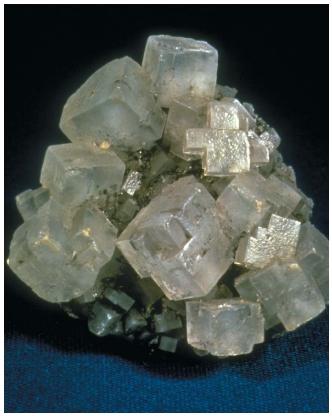
Haz clic aqui tambien

What do you notice about the shape of the crystals? How do you think this shape mirrors the atomic arrangement of table salt?
11. (2) Some mouthwashes and toothpastes contain sodium fluoride. Since they need to deliver only fluoride to the teeth, why do they include the sodium?
12. (4) Looking at Table 4.3, can you notice some general trends with how compounds are named? Hint: consider the "ate" ending as the "normal" or more usual ion. Note: it's important to know these trends.
Bonus
Based on your new knowledge of ions and ionic substances, propose a hypothesis as to how this ion cannon weapon would work:
Chapter Questions 68 Marks
Assignment Questions 27 Marks
Total Marks 95 Marks
Saturday, February 2, 2008
Test 1 Responses
Test 1 - Matter, Measurements, and the Periodic Table
Multiple Choice (1 mark each)
1. Which of the following is an element?
a. Ethanol
b. Mica
c. Bismuth
d. Codeine
e. J-E-L-L-O
C
2. What will happen if you remove a proton from an atom of hydrogen?
a. The atom will acquire a positive charge.
b. There will be no change
c. The atom will be lighter but otherwise unchanged
d. The atom will cease to exist
e. The atom will acquire a negative charge
D
3. What are the two most common substances in the universe?
a. Hydrogen and oxygen
b. Nitrogen and oxygen
c. Silica and oxygen
d. Sodium and chloride
e. Hydrogen and helium
E
4. How many atoms are in a molecule of Al2(SO4)3?
a. 18
b. 17
c. 16
d. 15
e. 14
B
5. Change 0.000004394m into nanometres. How many nanometres would you have?
a. 4394 nm
b. 439.4 nm
c. 43.94 nm
d. 4.394 nm
e. 0.4394 nm
A
6. The Starbucks water bottle you gave me has markings of between 1 and 8 ounces. To how many significant figures do you know how much water is in the bottle?
a. 0
b. 1
c. 2
d. 3
e. 4
C
7. How many signifcant figures are in the following number? 24,000.0016700
a. 5
b. 7
c. 9
d. 11
e. 12
E
8. You travel 100 km in 7 hours. Therefore, how far have you travelled?
a. 14.28 km/hr
b. 1.4E2 km/hr
c. 1E1 km/hr
d. 14.285714285 km/hr
e. 14.2 km/hr
C
9. How can you convert mass into volume and back again?
a. Mass and volume are not interchangeable.
b. Mass and volume are interchangeable only if you know the weight of the substance.
c. Mass and volume are different ways to state the same measurement.
d. Mass and volume are interchangeable only if you know the density of the substance.
e. Mass has only to do with solids and volume only has to do with liquids. Therefore, they are not interchangeable.
D
9. Strontium is in the second column and fifth row of the periodic table. Its electron configuration ends with:
a. 5s2
b. 2p5
c. 5p2
d. 2s2
e. 2s5
A
10. Zinc is in the fourth row and twelfth column of the periodic table. Its electronic configuration ends with:
a. 4d12
b. 4d10
c. 12d4
d. 4p12
e. 12p4
C
11. How many protons does an atom of magnesium have? It has an electron configuration of: 1s2 2s2 2p6 3s2.
a. 8
b. 2
c. 7
d. 11
e. 12
E
12. The distinguishing electron is
a. the one with the top marks
b. the electron with the highest energy
c. the electron with the lowest energy
d. an electron in one of the "d" orbitals
e. the electron found in the 1s1 orbital
E
13. Which of these elements is a noble gas?
a. Chlorine
b. Bromine
c. Hydrogen
d. Oxygen
e. Xenon
E
14. The length of the average bacterium is about 500 nm. How many metres is this?
a. 5E-7
b. 5E-8
c. 5E-9
d. 5E-10
e. None of the above
A
15. Your body temperature is 37˚C. What is this in Kelvin?
a. 298 K
b. 371 K
c. 310 K
d. 373 K
e. 236 K
C
16. A pound of feathers and a pound of lead have the same weight and mass. However, they don't share the same:
a. Attitude towards life
b. Density
c. Acceleration due to gravity
d. Heterogeneity
e. Temperature dependence
B
17.You are making brownies for Mel. You have a measuring cup with every 100mL marked off. To how many decimal places is your measurement accurate in litres ?
a. 0
b. 1
c. 2
d. 3
e. 4
C
True or False (1 mark each)
If the answer is false, correct the answer to make it true.
18. Hydrogen gas gives off a smell like rotten eggs. This is a physical property.
True
19. Baking soda - NaHCO3 gives cakes their fluffy texture by decomposing into carbon dioxide (CO2) gas bubbles. This is a physical change.
False - chemical change
20. You can change one compound into another by intensive physical means.
True
21. A compound must contain at least two elements.
True
22. An inexact number is one with uncertainty associated with it.
True
23. The p-orbital is circular.
False - s orbital is circular
24. The number of protons must equal the number of neutrons in an atom with no charge.
False - the number of electrons must equal the number of protons
Short Answer (3 marks each)
25. You have a heterogeneous mixture of wood shavings, iron shavings, salt, and fine Florida sand. Give the steps that you would take to separate them.
Magnet to remove iron
Water to dissolve salt
Burn the wood shavings
26. What would happen to a molecule of carbon if you removed
a) an electron - positive ion
b) a proton - turns into boron
c) a neutron - you make an isotope
27. What three questions would you consider when trying to classify a substance as homogeneous/heterogeneous, pure substance/mixture, and element/compound?
Heterogeneous - you can't see two separate phases
Pure substance - element
Mixture - not an element
Element- cannot be broken down
Compound - can be broken down further
28. State the physical properties that differ between solids/liquids and liquids/gases.
S/L - liquid conforms to the shape of it's container.
L/G - gas will adopt the shape and size of its container. Gas is compressible and liquid is not
29. Your girlfriend's new hissing cockroach weighs 31.47 g. If one gram is equal to 1/454 pounds how many cockroaches would you need to equal your body weight in pounds?
2175 cockroaches.
30. Palladium is in the fifth row and the 10th column of the periodic table. Give it's complete electron configuration.
1s2 2s2 2p6 3s2 3p6 4s2 3d10 4p6 5s2 4d8
31. What are the four pieces of information needed to identify an electron in an atom?
Shell, subshell, orbital, spin.
Long Answer (5 marks)
32. With your knowledge of the structure of the atom, explain the following:
A beam of positive fast-moving particles was aimed at a thin piece of gold foil. Most of the particles passed through the foil and hit the detector on the other side of the foil, but a few of them were deflected at high angles, sometimes even backwards (ie towards the stream of incoming particles).
Bonus (1 mark each)
What is the colour of element #114?
No one has ever seen this element.
What do the subshell letters s, p, d and f stand for?
No answer
Complete the following calculation to the correct number of significant digits:
[(24.3+34.76)*6.7837] / (4.015-1.0) = 1.328E2
Multiple Choice (1 mark each)
1. Which of the following is an element?
a. Ethanol
b. Mica
c. Bismuth
d. Codeine
e. J-E-L-L-O
C
2. What will happen if you remove a proton from an atom of hydrogen?
a. The atom will acquire a positive charge.
b. There will be no change
c. The atom will be lighter but otherwise unchanged
d. The atom will cease to exist
e. The atom will acquire a negative charge
D
3. What are the two most common substances in the universe?
a. Hydrogen and oxygen
b. Nitrogen and oxygen
c. Silica and oxygen
d. Sodium and chloride
e. Hydrogen and helium
E
4. How many atoms are in a molecule of Al2(SO4)3?
a. 18
b. 17
c. 16
d. 15
e. 14
B
5. Change 0.000004394m into nanometres. How many nanometres would you have?
a. 4394 nm
b. 439.4 nm
c. 43.94 nm
d. 4.394 nm
e. 0.4394 nm
A
6. The Starbucks water bottle you gave me has markings of between 1 and 8 ounces. To how many significant figures do you know how much water is in the bottle?
a. 0
b. 1
c. 2
d. 3
e. 4
C
7. How many signifcant figures are in the following number? 24,000.0016700
a. 5
b. 7
c. 9
d. 11
e. 12
E
8. You travel 100 km in 7 hours. Therefore, how far have you travelled?
a. 14.28 km/hr
b. 1.4E2 km/hr
c. 1E1 km/hr
d. 14.285714285 km/hr
e. 14.2 km/hr
C
9. How can you convert mass into volume and back again?
a. Mass and volume are not interchangeable.
b. Mass and volume are interchangeable only if you know the weight of the substance.
c. Mass and volume are different ways to state the same measurement.
d. Mass and volume are interchangeable only if you know the density of the substance.
e. Mass has only to do with solids and volume only has to do with liquids. Therefore, they are not interchangeable.
D
9. Strontium is in the second column and fifth row of the periodic table. Its electron configuration ends with:
a. 5s2
b. 2p5
c. 5p2
d. 2s2
e. 2s5
A
10. Zinc is in the fourth row and twelfth column of the periodic table. Its electronic configuration ends with:
a. 4d12
b. 4d10
c. 12d4
d. 4p12
e. 12p4
C
11. How many protons does an atom of magnesium have? It has an electron configuration of: 1s2 2s2 2p6 3s2.
a. 8
b. 2
c. 7
d. 11
e. 12
E
12. The distinguishing electron is
a. the one with the top marks
b. the electron with the highest energy
c. the electron with the lowest energy
d. an electron in one of the "d" orbitals
e. the electron found in the 1s1 orbital
E
13. Which of these elements is a noble gas?
a. Chlorine
b. Bromine
c. Hydrogen
d. Oxygen
e. Xenon
E
14. The length of the average bacterium is about 500 nm. How many metres is this?
a. 5E-7
b. 5E-8
c. 5E-9
d. 5E-10
e. None of the above
A
15. Your body temperature is 37˚C. What is this in Kelvin?
a. 298 K
b. 371 K
c. 310 K
d. 373 K
e. 236 K
C
16. A pound of feathers and a pound of lead have the same weight and mass. However, they don't share the same:
a. Attitude towards life
b. Density
c. Acceleration due to gravity
d. Heterogeneity
e. Temperature dependence
B
17.You are making brownies for Mel. You have a measuring cup with every 100mL marked off. To how many decimal places is your measurement accurate in litres ?
a. 0
b. 1
c. 2
d. 3
e. 4
C
True or False (1 mark each)
If the answer is false, correct the answer to make it true.
18. Hydrogen gas gives off a smell like rotten eggs. This is a physical property.
True
19. Baking soda - NaHCO3 gives cakes their fluffy texture by decomposing into carbon dioxide (CO2) gas bubbles. This is a physical change.
False - chemical change
20. You can change one compound into another by intensive physical means.
True
21. A compound must contain at least two elements.
True
22. An inexact number is one with uncertainty associated with it.
True
23. The p-orbital is circular.
False - s orbital is circular
24. The number of protons must equal the number of neutrons in an atom with no charge.
False - the number of electrons must equal the number of protons
Short Answer (3 marks each)
25. You have a heterogeneous mixture of wood shavings, iron shavings, salt, and fine Florida sand. Give the steps that you would take to separate them.
Magnet to remove iron
Water to dissolve salt
Burn the wood shavings
26. What would happen to a molecule of carbon if you removed
a) an electron - positive ion
b) a proton - turns into boron
c) a neutron - you make an isotope
27. What three questions would you consider when trying to classify a substance as homogeneous/heterogeneous, pure substance/mixture, and element/compound?
Heterogeneous - you can't see two separate phases
Pure substance - element
Mixture - not an element
Element- cannot be broken down
Compound - can be broken down further
28. State the physical properties that differ between solids/liquids and liquids/gases.
S/L - liquid conforms to the shape of it's container.
L/G - gas will adopt the shape and size of its container. Gas is compressible and liquid is not
29. Your girlfriend's new hissing cockroach weighs 31.47 g. If one gram is equal to 1/454 pounds how many cockroaches would you need to equal your body weight in pounds?
2175 cockroaches.
30. Palladium is in the fifth row and the 10th column of the periodic table. Give it's complete electron configuration.
1s2 2s2 2p6 3s2 3p6 4s2 3d10 4p6 5s2 4d8
31. What are the four pieces of information needed to identify an electron in an atom?
Shell, subshell, orbital, spin.
Long Answer (5 marks)
32. With your knowledge of the structure of the atom, explain the following:
A beam of positive fast-moving particles was aimed at a thin piece of gold foil. Most of the particles passed through the foil and hit the detector on the other side of the foil, but a few of them were deflected at high angles, sometimes even backwards (ie towards the stream of incoming particles).
Bonus (1 mark each)
What is the colour of element #114?
No one has ever seen this element.
What do the subshell letters s, p, d and f stand for?
No answer
Complete the following calculation to the correct number of significant digits:
[(24.3+34.76)*6.7837] / (4.015-1.0) = 1.328E2
Test 1
Test 1 - Matter, Measurements, and the Periodic Table
Total - Out of 50 Marks
You may use the periodic table at the beginning of your text book, and also a calculator for this test.
Multiple Choice (1 mark each)
1. Which of the following is an element?
a. Ethanol
b. Mica
c. Bismuth
d. Codeine
e. J-E-L-L-O
2. What will happen if you remove a proton from an atom of hydrogen?
a. The atom will acquire a positive charge.
b. There will be no change
c. The atom will be lighter but otherwise unchanged
d. The atom will cease to exist
e. The atom will acquire a negative charge
3. What are the two most common substances in the universe?
a. Hydrogen and oxygen
b. Nitrogen and oxygen
c. Silica and oxygen
d. Sodium and chloride
e. Hydrogen and helium
4. How many atoms are in a molecule of Al2(SO4)3?
a. 18
b. 17
c. 16
d. 15
e. 14
5. Change 0.000004394m into nanometres. How many nanometres would you have?
a. 4394 nm
b. 439.4 nm
c. 43.94 nm
d. 4.394 nm
e. 0.4394 nm
6. The Starbucks water bottle you gave me has markings of between 1 and 8 ounces. To how many significant figures do you know how much water is in the bottle?
a. 0
b. 1
c. 2
d. 3
e. 4
7. How many signifcant figures are in the following number? 24,000.0016700
a. 5
b. 7
c. 9
d. 11
e. 12
8. You travel 100 km in 7 hours. Therefore, how far have you travelled?
a. 14.28 km/hr
b. 1.4E2 km/hr
c. 1E1 km/hr
d. 14.285714285 km/hr
e. 14.2 km/hr
9. How can you convert mass into volume and back again?
a. Mass and volume are not interchangeable.
b. Mass and volume are interchangeable only if you know the weight of the substance.
c. Mass and volume are different ways to state the same measurement.
d. Mass and volume are interchangeable only if you know the density of the substance.
e. Mass has only to do with solids and volume only has to do with liquids. Therefore, they are not interchangeable.
9. Strontium is in the second column and fifth row of the periodic table. Its electron configuration ends with:
a. 5s2
b. 2p5
c. 5p2
d. 2s2
e. 2s5
10. Zinc is in the fourth row and twelfth column of the periodic table. Its electronic configuration ends with:
a. 4d12
b. 4d10
c. 12d4
d. 4p12
e. 12p4
11. How many protons does an atom of magnesium have? It has an electron configuration of: 1s2 2s2 2p6 3s2.
a. 8
b. 2
c. 7
d. 11
e. 12
12. The distinguishing electron is
a. the one with the top marks
b. the electron with the highest energy
c. the electron with the lowest energy
d. an electron in one of the "d" orbitals
e. the electron found in the 1s1 orbital
13. Which of these elements is a noble gas?
a. Chlorine
b. Bromine
c. Hydrogen
d. Oxygen
e. Xenon
14. The length of the average bacterium is about 500 nm. How many metres is this?
a. 5E-7
b. 5E-8
c. 5E-9
d. 5E-10
e. None of the above
15. Your body temperature is 37˚C. What is this in Kelvin?
a. 298 K
b. 371 K
c. 310 K
d. 373 K
e. 236 K
16. A pound of feathers and a pound of lead have the same weight and mass. However, they don't share the same:
a. Attitude towards life
b. Density
c. Acceleration due to gravity
d. Heterogeneity
e. Temperature dependence
17.You are making brownies for Mel. You have a measuring cup with every 100mL marked off. To how many decimal places is your measurement accurate in litres ?
a. 0
b. 1
c. 2
d. 3
e. 4
True or False (1 mark each)
If the answer is false, correct the answer to make it true.
18. Hydrogen gas gives off a smell like rotten eggs. This is a physical property.
19. Baking soda - NaHCO3 gives cakes their fluffy texture by decomposing into carbon dioxide (CO2) gas bubbles. This is a physical change.
20. You can change one compound into another by intensive physical means.
21. A compound must contain at least two elements.
22. An inexact number is one with uncertainty associated with it.
23. The p-orbital is circular.
24. The number of protons must equal the number of neutrons in an atom with no charge.
Short Answer (3 marks each)
25. You have a heterogeneous mixture of wood shavings, iron shavings, salt, and fine Florida sand. Give the steps that you would take to separate them.
26. What would happen to a molecule of carbon if you removed
a) an electron
b) a proton
c) a neutron
27. What three questions would you consider when trying to classify a substance as homogeneous/heterogeneous, pure substance/mixture, and element/compound?
28. State the physical properties that differ between solids/liquids and liquids/gases.
29. Your girlfriend's new hissing cockroach weighs 31.47 g. If one gram is equal to 1/454 pounds how many cockroaches would you need to equal your body weight in pounds?
30. Palladium is in the fifth row and the 10th column of the periodic table. Give it's complete electron configuration.
31. What are the four pieces of information needed to identify an electron in an atom?
Long Answer (5 marks)
32. With your knowledge of the structure of the atom, explain the following:
A beam of positive fast-moving particles was aimed at a thin piece of gold foil. Most of the particles passed through the foil and hit the detector on the other side of the foil, but a few of them were deflected at high angles, sometimes even backwards (ie towards the stream of incoming particles).
Bonus (1 mark each)
What is the colour of element #114?
What do the subshell letters s, p, d and f stand for?
Complete the following calculation to the correct number of significant digits:
[(24.3+34.76)*6.7837] / (4.015-1.0)
Total - Out of 50 Marks
You may use the periodic table at the beginning of your text book, and also a calculator for this test.
Multiple Choice (1 mark each)
1. Which of the following is an element?
a. Ethanol
b. Mica
c. Bismuth
d. Codeine
e. J-E-L-L-O
2. What will happen if you remove a proton from an atom of hydrogen?
a. The atom will acquire a positive charge.
b. There will be no change
c. The atom will be lighter but otherwise unchanged
d. The atom will cease to exist
e. The atom will acquire a negative charge
3. What are the two most common substances in the universe?
a. Hydrogen and oxygen
b. Nitrogen and oxygen
c. Silica and oxygen
d. Sodium and chloride
e. Hydrogen and helium
4. How many atoms are in a molecule of Al2(SO4)3?
a. 18
b. 17
c. 16
d. 15
e. 14
5. Change 0.000004394m into nanometres. How many nanometres would you have?
a. 4394 nm
b. 439.4 nm
c. 43.94 nm
d. 4.394 nm
e. 0.4394 nm
6. The Starbucks water bottle you gave me has markings of between 1 and 8 ounces. To how many significant figures do you know how much water is in the bottle?
a. 0
b. 1
c. 2
d. 3
e. 4
7. How many signifcant figures are in the following number? 24,000.0016700
a. 5
b. 7
c. 9
d. 11
e. 12
8. You travel 100 km in 7 hours. Therefore, how far have you travelled?
a. 14.28 km/hr
b. 1.4E2 km/hr
c. 1E1 km/hr
d. 14.285714285 km/hr
e. 14.2 km/hr
9. How can you convert mass into volume and back again?
a. Mass and volume are not interchangeable.
b. Mass and volume are interchangeable only if you know the weight of the substance.
c. Mass and volume are different ways to state the same measurement.
d. Mass and volume are interchangeable only if you know the density of the substance.
e. Mass has only to do with solids and volume only has to do with liquids. Therefore, they are not interchangeable.
9. Strontium is in the second column and fifth row of the periodic table. Its electron configuration ends with:
a. 5s2
b. 2p5
c. 5p2
d. 2s2
e. 2s5
10. Zinc is in the fourth row and twelfth column of the periodic table. Its electronic configuration ends with:
a. 4d12
b. 4d10
c. 12d4
d. 4p12
e. 12p4
11. How many protons does an atom of magnesium have? It has an electron configuration of: 1s2 2s2 2p6 3s2.
a. 8
b. 2
c. 7
d. 11
e. 12
12. The distinguishing electron is
a. the one with the top marks
b. the electron with the highest energy
c. the electron with the lowest energy
d. an electron in one of the "d" orbitals
e. the electron found in the 1s1 orbital
13. Which of these elements is a noble gas?
a. Chlorine
b. Bromine
c. Hydrogen
d. Oxygen
e. Xenon
14. The length of the average bacterium is about 500 nm. How many metres is this?
a. 5E-7
b. 5E-8
c. 5E-9
d. 5E-10
e. None of the above
15. Your body temperature is 37˚C. What is this in Kelvin?
a. 298 K
b. 371 K
c. 310 K
d. 373 K
e. 236 K
16. A pound of feathers and a pound of lead have the same weight and mass. However, they don't share the same:
a. Attitude towards life
b. Density
c. Acceleration due to gravity
d. Heterogeneity
e. Temperature dependence
17.You are making brownies for Mel. You have a measuring cup with every 100mL marked off. To how many decimal places is your measurement accurate in litres ?
a. 0
b. 1
c. 2
d. 3
e. 4
True or False (1 mark each)
If the answer is false, correct the answer to make it true.
18. Hydrogen gas gives off a smell like rotten eggs. This is a physical property.
19. Baking soda - NaHCO3 gives cakes their fluffy texture by decomposing into carbon dioxide (CO2) gas bubbles. This is a physical change.
20. You can change one compound into another by intensive physical means.
21. A compound must contain at least two elements.
22. An inexact number is one with uncertainty associated with it.
23. The p-orbital is circular.
24. The number of protons must equal the number of neutrons in an atom with no charge.
Short Answer (3 marks each)
25. You have a heterogeneous mixture of wood shavings, iron shavings, salt, and fine Florida sand. Give the steps that you would take to separate them.
26. What would happen to a molecule of carbon if you removed
a) an electron
b) a proton
c) a neutron
27. What three questions would you consider when trying to classify a substance as homogeneous/heterogeneous, pure substance/mixture, and element/compound?
28. State the physical properties that differ between solids/liquids and liquids/gases.
29. Your girlfriend's new hissing cockroach weighs 31.47 g. If one gram is equal to 1/454 pounds how many cockroaches would you need to equal your body weight in pounds?
30. Palladium is in the fifth row and the 10th column of the periodic table. Give it's complete electron configuration.
31. What are the four pieces of information needed to identify an electron in an atom?
Long Answer (5 marks)
32. With your knowledge of the structure of the atom, explain the following:
A beam of positive fast-moving particles was aimed at a thin piece of gold foil. Most of the particles passed through the foil and hit the detector on the other side of the foil, but a few of them were deflected at high angles, sometimes even backwards (ie towards the stream of incoming particles).
Bonus (1 mark each)
What is the colour of element #114?
What do the subshell letters s, p, d and f stand for?
Complete the following calculation to the correct number of significant digits:
[(24.3+34.76)*6.7837] / (4.015-1.0)
Thursday, January 31, 2008
Chapter 1-3 Review
Here is the stuff you should know from Chapters 1-3
Also important to know is the assignment material!! Some of these questions will be on the test.
Chapter Material
1. Distinguish between:
- solids, liquids, and gases
- physical and chemical properties
- physical and chemical changes
- pure substances and mixtures
- molecules and elements
- homogenous and heterogeneous mixtures
- elements and compounds
- monoatomic and diatomic and triatomic molecules
- exact and inexact numbers
2. Know what units measure what (eg grams measure mass) and their symbols.
3. Know how to operate using both scientific notation and significant figures.
4. Know how to perform calculations using both scientific notation and significant figures.
5. Know how to make conversion factors, and how to perform calculations with them.
6. Know how to perform dimensional analysis.
7. Know the difference between mass and density. Know how to perform calculations with density.
8. Know how to convert between Kelvin, Celcius and Fahrenheit.
9. Define a calorie and specific heat.
10. Know what each of the subatomic particles are, their masses (relative), and their charge.
11. Know how the subatomic particles are arranged in the atom
12. Understand the concept of atomic law
13. Understand how to calculate a weighted average and understand why a weighted average is needed in calculating the atomic weight of an element.
14. Understand the different characteristics of a metal and a non-metal, and where they are located on the periodic table.
15. Understand electron arrangement within an atom.
16. Know why the periodic table is periodic.
17. Know the order in which the electrons fill an atom
Also important to know is the assignment material!! Some of these questions will be on the test.
Chapter Material
1. Distinguish between:
- solids, liquids, and gases
- physical and chemical properties
- physical and chemical changes
- pure substances and mixtures
- molecules and elements
- homogenous and heterogeneous mixtures
- elements and compounds
- monoatomic and diatomic and triatomic molecules
- exact and inexact numbers
2. Know what units measure what (eg grams measure mass) and their symbols.
3. Know how to operate using both scientific notation and significant figures.
4. Know how to perform calculations using both scientific notation and significant figures.
5. Know how to make conversion factors, and how to perform calculations with them.
6. Know how to perform dimensional analysis.
7. Know the difference between mass and density. Know how to perform calculations with density.
8. Know how to convert between Kelvin, Celcius and Fahrenheit.
9. Define a calorie and specific heat.
10. Know what each of the subatomic particles are, their masses (relative), and their charge.
11. Know how the subatomic particles are arranged in the atom
12. Understand the concept of atomic law
13. Understand how to calculate a weighted average and understand why a weighted average is needed in calculating the atomic weight of an element.
14. Understand the different characteristics of a metal and a non-metal, and where they are located on the periodic table.
15. Understand electron arrangement within an atom.
16. Know why the periodic table is periodic.
17. Know the order in which the electrons fill an atom
Monday, January 28, 2008
Chapter 3 Marking
You did really really well on this one! Congrats! You seem like you really know your stuff!
One comment that I'd like to make is that a lot of the questions need more than a one sentance answer. They need a bit more detail. Hope that helps!
3. (3/4) a. The nucleus of the atom is not neutral because it contains the protons and no electrons
a. T b. F c. F d. T
5. (4/4) Are these the answers for atomic number or mass number?
a. 2, 4 b. 4, 9 c. 5, 9 d. 28, 58
7. (3/4) c. (-0.5)The number of neutrons would be the mass number-atomic number (ie the total number of objects in the nucleus minus the number of protons). Therefore, the correct answer is 24 neutrons. d. (-0.5) There would be 157 neutrons, 100 protons, and 100 electrons.
a. 8 neutrons, 8 protons, 8 electrons b. 10 neutrons, 8 protons, 8 electrons c. 22 neutrons, 20 protons, 20 electrons d. 146 neutrons, 92 protons, 92 electrons
11. (4/4)
a. s, cl, ar, k b. ar, k, cl ,s c. s, cl, ar, k d. s, k , cl, ar
13. (4/4) W00T! So schmart :)
a. protons 24, neutrons 29, electrons 24, nucleons 53, total sub atomic particles 77 b. p=101 , n=155 , e=101 , nu=256 , sap= 357 c. p=30 , n=37 , e=30 , nu=67 , sap=97 d. p=20 , n=20 , e=20 , nu=40 , sap=60
17. (4/4)
a. F b. F c. T d. T
25. (4/4) Very good answer!
This is because to discover the atomic mass all the istopes is added together and dived leaving an number that isn't whole. 31. (4/4) a. K, Rb b. P, As c. Sr, Ba d. Na, Cs
39. (4/4)
a. S b. P c. I d. Cl
43. (4/4)
a. orbital b. orbital c. shell d. sub shell
45. (3/4) d. The "p" subshells all contain the same number of electrons, regardless of which shell they are a part of.
a. T b. T c. F d. F
47. (4/4) Expert!
a. 2 b. 2 c. 6 d. 18
49. (4/4) Excellent!
a. 1s^2 2s^2 2p^2 b. 1s^2 2s^2 2p^6 3s^1 c. 1s^2 2s^2 2p^6 3s^2 3p^4 d. 1s^2 2s^2 2p^6 3s^2 3p^6
51. (4/4)
a. oxygen b. neon c. aluminum d. argon
55. (3/4) You can't have two spin up electrons in the same orbital, unfortunately as is depicted in a.
(o represents up and x represents down) 1s 2s 2p 3s 3p 4s 3d a. ox ox oo b. ox ox oxoxox o c. ox ox oxoxox ox o d. ox ox oxoxox ox oxoxox ox oxoxo
3) (2/3) You have inadvertently used the circumference of the earth, instead of the diameter...
The correct number of sigfigs were needed to be used in this question.
ok so in the book we are told a diameter of 2.9 inches for a nucleus of of an atom that is 2.5 miles 1 mile = 1.609 km 1 inch = 2.54 E-5 km 2.9 inches = 7.366 E-5 km 2.5 miles = 4.0233 km the distance around the earth at the equator is approximately 40,074 km according to here 40,074 km / 4.0233 km = 9,960.4 so 9,960.4 x 7.366 E-5 km = 0.73308 km
4) (4/4) Very good!
a quark makes these up, the six flavours are up, down, charm, strange, top, and bottom. (Their names were chosen arbitrarily based on the need to name them something that could be easily remembered and used.)
5) (3/3) Lol about the game!!
protium is required for ammonium. deuterium is used in the manufacturing of nuclear weapons. tritium is used in flares, emergency lights, exit signs as a source of light.
on a side note: apparently "every time you view a galaxy or system, you use 10 Deuterium" according to this gaming site here I can't begin to think how much of this deuterium i've wasted looking at the night sky.
6) (1/4) I needed a lot more detail in this question!! Sigfigs need to be addressed as well!
The reasoning the average atomic mass needs to be a weighted average is because of the possibility of the various isotopes being in a similar compound. This value makes a generalization to simplify the additional properties of the relative amu.
7) (4/4) 24-Mg 78.99% = 19 amu 25-Mg 10% = 2.5 amu 26-Mg 11.01% = 2.8 amu total = 24.3 amu
8) (+1 for pure cheek! Free points! Ha - I only give one point for cheek) question doesn't exist? free points? the answer is true
9) (2/3) Of course there are metals found in the body!! What do you consider copper to be, or zinc, or any of those other trace metals?
There are no metals normally present as such in the body, except those put there during surgery. These are the elements present in a human 1. Oxygen (65%) 2. Carbon (18%) 3. Hydrogen (10%) 4. Nitrogen (3%) 5. Calcium (1.5%) 6. Phosphorus (1.0%) 7. Potassium (0.35%) 8. Sulfur (0.25%) 9. Sodium (0.15%) 10. Magnesium (0.05%) 11. Copper, Zinc, Selenium, Molybdenum, Fluorine, Chlorine, Iodine, Manganese, Cobalt, Iron (0.70%) 12. Lithium, Strontium, Aluminum, Silicon, Lead, Vanadium, Arsenic, Bromine (trace amounts) vitamin b-12 is in metallic cobalt, the possibility of me consuming it is there in when I eat my wheaties.
10. (0.5/2) Yes, these do refer to the placement of electrons. There is a blurby in your text that gives the meaning - sharp, principal, diffuse, and fundamental.
these refer the placement of the electrons i really dont know how to describe this further
11. (0/4) The answer is Shell, Subshell, Orbital, Spin
I cant find this one
12. (5/4) Very good!! Wow! Your answer on this one really exceeded my expectations!
These values depend on the element in quesiton
every orbital holds a max of 2 electrons 1s = 2 2s = 2 2p = 6 3s = 2 3p = 6 4s = 2 3d = 10 4p = 6 4d = 10 4f = 14 shell 1 = 2 shell 2 = 8 shell 3 = 18 shell 4 = 32
13. (3/3)
there are 10 subshells filled there are 16 orbitals filled there are 32 electrons
14. (0/3) You know that for every proton there is a neutron, and that for approximately every proton there is a neutron. You know that the electrons weigh virtually nothing compared to the protons and neutrons. Take your weight in kilograms and cut it in half (your weight in protons alone). Find the weight of a proton in kilograms. Divide your halved weight by the weight of a proton. This will give you the number of protons. This is equal to the number of electrons - ha problem solved!
Billions? I'm at a loss how to solve this one
Bonus (2/3) Why do they react in this fashion?
The thing I've noticed most is the fact they like to combust. The higher on the periodic table the greater the combustion, simply because the higher the element the more energy it contains.
Total Chapter Marks: 56 / 60 = 93%
Total Assignment Marks: 25.5 / 35 = 73%
Bonus: 2
Total: 81.5 / 95 = 86%
One comment that I'd like to make is that a lot of the questions need more than a one sentance answer. They need a bit more detail. Hope that helps!
3. (3/4) a. The nucleus of the atom is not neutral because it contains the protons and no electrons
a. T b. F c. F d. T
5. (4/4) Are these the answers for atomic number or mass number?
a. 2, 4 b. 4, 9 c. 5, 9 d. 28, 58
7. (3/4) c. (-0.5)The number of neutrons would be the mass number-atomic number (ie the total number of objects in the nucleus minus the number of protons). Therefore, the correct answer is 24 neutrons. d. (-0.5) There would be 157 neutrons, 100 protons, and 100 electrons.
a. 8 neutrons, 8 protons, 8 electrons b. 10 neutrons, 8 protons, 8 electrons c. 22 neutrons, 20 protons, 20 electrons d. 146 neutrons, 92 protons, 92 electrons
11. (4/4)
a. s, cl, ar, k b. ar, k, cl ,s c. s, cl, ar, k d. s, k , cl, ar
13. (4/4) W00T! So schmart :)
a. protons 24, neutrons 29, electrons 24, nucleons 53, total sub atomic particles 77 b. p=101 , n=155 , e=101 , nu=256 , sap= 357 c. p=30 , n=37 , e=30 , nu=67 , sap=97 d. p=20 , n=20 , e=20 , nu=40 , sap=60
17. (4/4)
a. F b. F c. T d. T
25. (4/4) Very good answer!
This is because to discover the atomic mass all the istopes is added together and dived leaving an number that isn't whole. 31. (4/4) a. K, Rb b. P, As c. Sr, Ba d. Na, Cs
39. (4/4)
a. S b. P c. I d. Cl
43. (4/4)
a. orbital b. orbital c. shell d. sub shell
45. (3/4) d. The "p" subshells all contain the same number of electrons, regardless of which shell they are a part of.
a. T b. T c. F d. F
47. (4/4) Expert!
a. 2 b. 2 c. 6 d. 18
49. (4/4) Excellent!
a. 1s^2 2s^2 2p^2 b. 1s^2 2s^2 2p^6 3s^1 c. 1s^2 2s^2 2p^6 3s^2 3p^4 d. 1s^2 2s^2 2p^6 3s^2 3p^6
51. (4/4)
a. oxygen b. neon c. aluminum d. argon
55. (3/4) You can't have two spin up electrons in the same orbital, unfortunately as is depicted in a.
(o represents up and x represents down) 1s 2s 2p 3s 3p 4s 3d a. ox ox oo b. ox ox oxoxox o c. ox ox oxoxox ox o d. ox ox oxoxox ox oxoxox ox oxoxo
3) (2/3) You have inadvertently used the circumference of the earth, instead of the diameter...
The correct number of sigfigs were needed to be used in this question.
ok so in the book we are told a diameter of 2.9 inches for a nucleus of of an atom that is 2.5 miles 1 mile = 1.609 km 1 inch = 2.54 E-5 km 2.9 inches = 7.366 E-5 km 2.5 miles = 4.0233 km the distance around the earth at the equator is approximately 40,074 km according to here 40,074 km / 4.0233 km = 9,960.4 so 9,960.4 x 7.366 E-5 km = 0.73308 km
4) (4/4) Very good!
a quark makes these up, the six flavours are up, down, charm, strange, top, and bottom. (Their names were chosen arbitrarily based on the need to name them something that could be easily remembered and used.)
5) (3/3) Lol about the game!!
protium is required for ammonium. deuterium is used in the manufacturing of nuclear weapons. tritium is used in flares, emergency lights, exit signs as a source of light.
on a side note: apparently "every time you view a galaxy or system, you use 10 Deuterium" according to this gaming site here I can't begin to think how much of this deuterium i've wasted looking at the night sky.
6) (1/4) I needed a lot more detail in this question!! Sigfigs need to be addressed as well!
The reasoning the average atomic mass needs to be a weighted average is because of the possibility of the various isotopes being in a similar compound. This value makes a generalization to simplify the additional properties of the relative amu.
7) (4/4) 24-Mg 78.99% = 19 amu 25-Mg 10% = 2.5 amu 26-Mg 11.01% = 2.8 amu total = 24.3 amu
8) (+1 for pure cheek! Free points! Ha - I only give one point for cheek) question doesn't exist? free points? the answer is true
9) (2/3) Of course there are metals found in the body!! What do you consider copper to be, or zinc, or any of those other trace metals?
There are no metals normally present as such in the body, except those put there during surgery. These are the elements present in a human 1. Oxygen (65%) 2. Carbon (18%) 3. Hydrogen (10%) 4. Nitrogen (3%) 5. Calcium (1.5%) 6. Phosphorus (1.0%) 7. Potassium (0.35%) 8. Sulfur (0.25%) 9. Sodium (0.15%) 10. Magnesium (0.05%) 11. Copper, Zinc, Selenium, Molybdenum, Fluorine, Chlorine, Iodine, Manganese, Cobalt, Iron (0.70%) 12. Lithium, Strontium, Aluminum, Silicon, Lead, Vanadium, Arsenic, Bromine (trace amounts) vitamin b-12 is in metallic cobalt, the possibility of me consuming it is there in when I eat my wheaties.
10. (0.5/2) Yes, these do refer to the placement of electrons. There is a blurby in your text that gives the meaning - sharp, principal, diffuse, and fundamental.
these refer the placement of the electrons i really dont know how to describe this further
11. (0/4) The answer is Shell, Subshell, Orbital, Spin
I cant find this one
12. (5/4) Very good!! Wow! Your answer on this one really exceeded my expectations!
These values depend on the element in quesiton
every orbital holds a max of 2 electrons 1s = 2 2s = 2 2p = 6 3s = 2 3p = 6 4s = 2 3d = 10 4p = 6 4d = 10 4f = 14 shell 1 = 2 shell 2 = 8 shell 3 = 18 shell 4 = 32
13. (3/3)
there are 10 subshells filled there are 16 orbitals filled there are 32 electrons
14. (0/3) You know that for every proton there is a neutron, and that for approximately every proton there is a neutron. You know that the electrons weigh virtually nothing compared to the protons and neutrons. Take your weight in kilograms and cut it in half (your weight in protons alone). Find the weight of a proton in kilograms. Divide your halved weight by the weight of a proton. This will give you the number of protons. This is equal to the number of electrons - ha problem solved!
Billions? I'm at a loss how to solve this one
Bonus (2/3) Why do they react in this fashion?
The thing I've noticed most is the fact they like to combust. The higher on the periodic table the greater the combustion, simply because the higher the element the more energy it contains.
Total Chapter Marks: 56 / 60 = 93%
Total Assignment Marks: 25.5 / 35 = 73%
Bonus: 2
Total: 81.5 / 95 = 86%
Sunday, January 27, 2008
CHPT3 answers
3.
a. T
b. F
c. F
d. T
5.
a. 4
b. 9
c. 9
d. 58
7.
a. 8 neutrons, 8 protons, 8 electrons
b. 10 neutrons, 8 protons, 8 electrons
c. 22 neutrons, 20 protons, 20 electrons
d. 146 neutrons, 92 protons, 92 electrons
11.
a. s, cl, ar, k
b. ar, k, cl ,s
c. s, cl, ar, k
d. s, k , cl, ar
13.
a. protons 24, neutrons 29, electrons 24, nucleons 53, total sub atomic particles 77
b. p=101 , n=155 , e=101 , nu=256 , sap= 357
c. p=30 , n=37 , e=30 , nu=67 , sap=97
d. p=20 , n=20 , e=20 , nu=40 , sap=60
17.
a. F
b. F
c. T
d. T
25.
This is because to discover the atomic mass all the istopes is added together and dived leaving an number that isn't whole.
31.
a. K, Rb
b. P, As
c. Sr, Ba
d. Na, Cs
39.
a. S
b. P
c. I
d. Cl
43.
a. orbital
b. orbital
c. shell
d. sub shell
45.
a. T
b. T
c. F
d. F
47.
a. 2
b. 2
c. 6
d. 18
49.
a. 1s^2 2s^2 2p^2
b. 1s^2 2s^2 2p^6 3s^1
c. 1s^2 2s^2 2p^6 3s^2 3p^4
d. 1s^2 2s^2 2p^6 3s^2 3p^6
51.
a. oxygen
b. neon
c. aluminum
d. argon
55. (o represents up and x represents down)
1s 2s 2p 3s 3p 4s 3d
a. ox ox oo
b. ox ox oxoxox o
c. ox ox oxoxox ox o
d. ox ox oxoxox ox oxoxox ox oxoxo
3) ok so in the book we are told a diameter of 2.9 inches for a nucleus of of an atom that is 2.5 miles
1 mile = 1.609 km
1 inch = 2.54 E-5 km
2.9 inches = 7.366 E-5 km
2.5 miles = 4.0233 km
the distance around the earth at the equator is approximately 40,074 km according to here
40,074 km / 4.0233 km = 9,960.4
so 9,960.4 x 7.366 E-5 km = 0.73308 km
4)
a quark makes these up, the six flavours are up, down, charm, strange, top, and bottom. (Their names were chosen arbitrarily based on the need to name them something that could be easily remembered and used.)
5)
protium is required for ammonium.
deuterium is used in the manufacturing of nuclear weapons.
tritium is used in flares, emergency lights, exit signs as a source of light.
on a side note: apparently "every time you view a galaxy or system, you use 10 Deuterium" according to this gaming site here I can't begin to think how much of this deuterium i've wasted looking at the night sky.
6)
The reasoning the average atomic mass needs to be a weighted average is because of the possibility of the various isotopes being in a similar compound. This value makes a generalization to simplify the additional properties of the relative amu.
7)
24-Mg 78.99% = 19 amu
25-Mg 10% = 2.5 amu
26-Mg 11.01% = 2.8 amu
total = 24.3 amu
8)
question doesn't exist? free points? the answer is true
9)
There are no metals normally present as such in the body, except those put there during surgery.
These are the elements present in a human
1. Oxygen (65%)
2. Carbon (18%)
3. Hydrogen (10%)
4. Nitrogen (3%)
5. Calcium (1.5%)
6. Phosphorus (1.0%)
7. Potassium (0.35%)
8. Sulfur (0.25%)
9. Sodium (0.15%)
10. Magnesium (0.05%)
11. Copper, Zinc, Selenium, Molybdenum, Fluorine, Chlorine, Iodine, Manganese, Cobalt, Iron (0.70%)
12. Lithium, Strontium, Aluminum, Silicon, Lead, Vanadium, Arsenic, Bromine (trace amounts)
vitamin b-12 is in metallic cobalt, the possibility of me consuming it is there in when I eat my wheaties.
10.
these refer the placement of the electrons i really dont know how to describe this further
11.
I cant find this one
12.
These values depend on the element in quesiton
every orbital holds a max of 2 electrons
1s = 2
2s = 2
2p = 6
3s = 2
3p = 6
4s = 2
3d = 10
4p = 6
4d = 10
4f = 14
shell 1 = 2
shell 2 = 8
shell 3 = 18
shell 4 = 32
13.
there are 10 subshells filled
there are 16 orbitals filled
there are 32 electrons
14.
Billions?
I'm at a loss how to solve this one
Bonus
The thing I've noticed most is the fact they like to combust. The higher on the periodic table the greater the combustion, simply because the higher the element the more energy it contains.
a. T
b. F
c. F
d. T
5.
a. 4
b. 9
c. 9
d. 58
7.
a. 8 neutrons, 8 protons, 8 electrons
b. 10 neutrons, 8 protons, 8 electrons
c. 22 neutrons, 20 protons, 20 electrons
d. 146 neutrons, 92 protons, 92 electrons
11.
a. s, cl, ar, k
b. ar, k, cl ,s
c. s, cl, ar, k
d. s, k , cl, ar
13.
a. protons 24, neutrons 29, electrons 24, nucleons 53, total sub atomic particles 77
b. p=101 , n=155 , e=101 , nu=256 , sap= 357
c. p=30 , n=37 , e=30 , nu=67 , sap=97
d. p=20 , n=20 , e=20 , nu=40 , sap=60
17.
a. F
b. F
c. T
d. T
25.
This is because to discover the atomic mass all the istopes is added together and dived leaving an number that isn't whole.
31.
a. K, Rb
b. P, As
c. Sr, Ba
d. Na, Cs
39.
a. S
b. P
c. I
d. Cl
43.
a. orbital
b. orbital
c. shell
d. sub shell
45.
a. T
b. T
c. F
d. F
47.
a. 2
b. 2
c. 6
d. 18
49.
a. 1s^2 2s^2 2p^2
b. 1s^2 2s^2 2p^6 3s^1
c. 1s^2 2s^2 2p^6 3s^2 3p^4
d. 1s^2 2s^2 2p^6 3s^2 3p^6
51.
a. oxygen
b. neon
c. aluminum
d. argon
55. (o represents up and x represents down)
1s 2s 2p 3s 3p 4s 3d
a. ox ox oo
b. ox ox oxoxox o
c. ox ox oxoxox ox o
d. ox ox oxoxox ox oxoxox ox oxoxo
3) ok so in the book we are told a diameter of 2.9 inches for a nucleus of of an atom that is 2.5 miles
1 mile = 1.609 km
1 inch = 2.54 E-5 km
2.9 inches = 7.366 E-5 km
2.5 miles = 4.0233 km
the distance around the earth at the equator is approximately 40,074 km according to here
40,074 km / 4.0233 km = 9,960.4
so 9,960.4 x 7.366 E-5 km = 0.73308 km
4)
a quark makes these up, the six flavours are up, down, charm, strange, top, and bottom. (Their names were chosen arbitrarily based on the need to name them something that could be easily remembered and used.)
5)
protium is required for ammonium.
deuterium is used in the manufacturing of nuclear weapons.
tritium is used in flares, emergency lights, exit signs as a source of light.
on a side note: apparently "every time you view a galaxy or system, you use 10 Deuterium" according to this gaming site here I can't begin to think how much of this deuterium i've wasted looking at the night sky.
6)
The reasoning the average atomic mass needs to be a weighted average is because of the possibility of the various isotopes being in a similar compound. This value makes a generalization to simplify the additional properties of the relative amu.
7)
24-Mg 78.99% = 19 amu
25-Mg 10% = 2.5 amu
26-Mg 11.01% = 2.8 amu
total = 24.3 amu
8)
question doesn't exist? free points? the answer is true
9)
There are no metals normally present as such in the body, except those put there during surgery.
These are the elements present in a human
1. Oxygen (65%)
2. Carbon (18%)
3. Hydrogen (10%)
4. Nitrogen (3%)
5. Calcium (1.5%)
6. Phosphorus (1.0%)
7. Potassium (0.35%)
8. Sulfur (0.25%)
9. Sodium (0.15%)
10. Magnesium (0.05%)
11. Copper, Zinc, Selenium, Molybdenum, Fluorine, Chlorine, Iodine, Manganese, Cobalt, Iron (0.70%)
12. Lithium, Strontium, Aluminum, Silicon, Lead, Vanadium, Arsenic, Bromine (trace amounts)
vitamin b-12 is in metallic cobalt, the possibility of me consuming it is there in when I eat my wheaties.
10.
these refer the placement of the electrons i really dont know how to describe this further
11.
I cant find this one
12.
These values depend on the element in quesiton
every orbital holds a max of 2 electrons
1s = 2
2s = 2
2p = 6
3s = 2
3p = 6
4s = 2
3d = 10
4p = 6
4d = 10
4f = 14
shell 1 = 2
shell 2 = 8
shell 3 = 18
shell 4 = 32
13.
there are 10 subshells filled
there are 16 orbitals filled
there are 32 electrons
14.
Billions?
I'm at a loss how to solve this one
Bonus
The thing I've noticed most is the fact they like to combust. The higher on the periodic table the greater the combustion, simply because the higher the element the more energy it contains.
Sunday, January 20, 2008
Chapter 3 Questions
Chapter 3
Preamble: This chapter is all about tiny particles. Particles that are so tiny it takes 1 million million of them just to be able to see them with the naked eye. At that scale, it's really easy to forget that these are real things, and instead think of them as the pictures you find in text books. In case it will help you to visualize what you'll be studying, I've included an actual photo of a sharp needle using a special kind of microscope, in which you can see the actual atoms!
Haz clic aqui
Just a small additional note: please express all of your answers to the correct number of significant digits.
Thanks!
1. Read Chapter 3.
2. (60) Complete the following questions:
3, 5, 7, 11, 13, 17, 25, 31, 39, 43, 45, 47, 49, 51, 55.
4, 4, 4, 4, 4, 4, 4, 4 4, 4, 4, 4, 4, 4, 4.
3. (3) Using the conversion factors you learned about in Chapter 2, calculate how many kilometers across the nucleus of an atom would be if the whole atom was the diameter of the earth. Show the conversion factors in your answer. Express your answer in scientific notation. Use the info in 3.1 "Size Relationships within an Atom" to help you.
4. (4) What type of subatomic particle make up protons and neutrons? What are the six flavours of this particle?
5. (3) Find a use for protium, deuterium and tritium (other than those uses listed in the text).
6. (4) Why does the average atomic number need to be a weighted average? Explain in detail how a weighted average works (Hint: a good way to tackle this problem would be to discuss why each step of the calculation is performed, and then discuss the overall result).
7. (4) Calculate the weighted average of magnesium using the information found in the chapter. Show all of your calculations.
9. (4) What metals are found in the body? In what vitamin is the metal cobalt found? Have you ingested any cobalt today?
10. (2) With regards to the various subshells, what does the "s", "p", "d" and "f" stand for?
11. (4) Each electron in an atom can be identified by a set of 4 pieces of information, similar to our postal address system: country, city, street, building number. What are these four pieces of information in order of least specific to most specific?
12. (1) How many electrons are in each orbital? Subshell? Shell?
13. (3) In an atom where the 4th shell is completely filled, how many subshells are filled? How many orbitals? How many electrons are there?
14. (3) Approximately, how many electrons do you have in your body? Include calculations and conversion factors in your answer.
60 marks for chapter questions
35 marks for assignment questions
95 marks in total
Bonus: (3) Watch the following video:
What are the properties of alkali metals as shown in this video? Why do they react in this fashion? What do you notice about the intensity of the reaction and the positioning of the various alkali metals in the periodic table? Please explain all of your answers fully.
Preamble: This chapter is all about tiny particles. Particles that are so tiny it takes 1 million million of them just to be able to see them with the naked eye. At that scale, it's really easy to forget that these are real things, and instead think of them as the pictures you find in text books. In case it will help you to visualize what you'll be studying, I've included an actual photo of a sharp needle using a special kind of microscope, in which you can see the actual atoms!
Haz clic aqui
Just a small additional note: please express all of your answers to the correct number of significant digits.
Thanks!
1. Read Chapter 3.
2. (60) Complete the following questions:
3, 5, 7, 11, 13, 17, 25, 31, 39, 43, 45, 47, 49, 51, 55.
4, 4, 4, 4, 4, 4, 4, 4 4, 4, 4, 4, 4, 4, 4.
3. (3) Using the conversion factors you learned about in Chapter 2, calculate how many kilometers across the nucleus of an atom would be if the whole atom was the diameter of the earth. Show the conversion factors in your answer. Express your answer in scientific notation. Use the info in 3.1 "Size Relationships within an Atom" to help you.
4. (4) What type of subatomic particle make up protons and neutrons? What are the six flavours of this particle?
5. (3) Find a use for protium, deuterium and tritium (other than those uses listed in the text).
6. (4) Why does the average atomic number need to be a weighted average? Explain in detail how a weighted average works (Hint: a good way to tackle this problem would be to discuss why each step of the calculation is performed, and then discuss the overall result).
7. (4) Calculate the weighted average of magnesium using the information found in the chapter. Show all of your calculations.
9. (4) What metals are found in the body? In what vitamin is the metal cobalt found? Have you ingested any cobalt today?
10. (2) With regards to the various subshells, what does the "s", "p", "d" and "f" stand for?
11. (4) Each electron in an atom can be identified by a set of 4 pieces of information, similar to our postal address system: country, city, street, building number. What are these four pieces of information in order of least specific to most specific?
12. (1) How many electrons are in each orbital? Subshell? Shell?
13. (3) In an atom where the 4th shell is completely filled, how many subshells are filled? How many orbitals? How many electrons are there?
14. (3) Approximately, how many electrons do you have in your body? Include calculations and conversion factors in your answer.
60 marks for chapter questions
35 marks for assignment questions
95 marks in total
Bonus: (3) Watch the following video:
What are the properties of alkali metals as shown in this video? Why do they react in this fashion? What do you notice about the intensity of the reaction and the positioning of the various alkali metals in the periodic table? Please explain all of your answers fully.
Chapter 2 Marking
Firstly, I'd like to say sorry about the wonky spacing. I foodled around with it for about an hour and couldn't get the formatting to foodle my way. Secondly, sorry about the marks. Would you prefer that I teach you rather than reading out of the textbook?
2.3 4/4
a)centimeter
b)kiloliter
c)microliter
d)nanogram
.9 4/4
a)inexact
b)exactly
c)exactly
d)inexact
.11 0/2 The question is referring to uncertainty. If you had a thermometer that measured to each degree, then you would know the temperature to one tenth of a degree. Ie you know the temperature for sure - it's between 18 and 19. And then you have one further decimal place where the value is estimated. That is, you would know that it was around 18.5 by looking at the interval between 18 and 19 and estimating.
i don't understand the question
.13 4/4
a)4
b)2
c)4
d)3
e)5
f)4
.23 0/4 When multiplying and dividing, you should take the lowest number of significant digits, instead of the highest.
a)5
b)4
c)3
d)4
.25 1/6 The same applies here. Take the lowest number of significant digits
a)0.0080
b)1204.8
c)13.70
d)0.181
e)1.139
f)5.718
.27 2/4 When adding and subtracting, take the lowest number of digits from behind the decimal place, and this is the number of sig figs.
a)162
b)9.321
c)1260.7
d)19.95
.29 6/6 Great job here!
a)1.207 x 10^2
b)3.4 x 10^-3
c)2.3100 x 10^2
d)2.3 x 10^4
e)2.00 x 10^-1
f)1.011 x 10^-1
.35 4.5/6 Top marks for your use of scientific notation, but sig figs are still causing you trouble
a)5.504 x 10^12
b)4.144 x 10^-2
c)1.5 x 10^4
d)2.0 x 10^-7
e)1.52 x 10^11
f)1.2 x 10^6
.37 3/6 Although these are all true, a conversion factor is expressed in the form of a fraction so the conversion factors for a would be 1 g/0.001 kg and 1 kg/1000 g. They are expressed this way so that we can cancel out the unit we already have and get the unit we want. If we wanted to find the number of grams we have if we have two pounds, we phrase the equation this-aways:
2 lbs x 1 gram/0.002 lbs
This way since the lbs is both on the top and the bottom of the equation, we can cancel them out. What unit are we left with? Grams. This is good!
This same logic applies to equations. Let's say you didn't have a calculator and were expected to solve this problem:
3.145634001 x 6.7778203 x 1.2289667 x 4
3.145634001 x 6.7778203 x 1.2289667 x 2
Since all the really nasty terms apply on the top and on the bottom, they can be cancelled out! And you are left with only the 4/2 = 2.
a) 1g = .001kg 1kg = 1000g
b) 1nm = 10^-9 m 1m = 10^9nm
c) 1mL = .001L 1L = 1000mL
d) 1lbs = 454 grams 1 gram = .002 lbs
e) 1km = .621miles 1 mile = 1.61km
f) 1L = .265 gallons 1 gallon = 3.77L
.39 3/4 Question c
1.6 x 10^2 m
2.4 x 10^-7 m
3 m
3.0 x 10^5 m
.47 1.5/2 Rounding error. All of your answers are expressed to the correct number of significant figures! Very good!
183 lbs
6.29 ft
.49 0/1 You should have done this question!
.53 1/1
243 grams .65 3/3
a) 47.88 calories
b) 840 calories
c) 176.4 calories
3) 1/2 While this is true, next time, I'd like more detail in the answer, such as why? What about mass does gravity not affect? What about weight does it affect?
This is because lbs is refered to as weight while grams are refering to mass. Gravity in space does not affect your mass, only your weight!
4) 3/3
Yes volume and mass are interchangeable
You can use the equation d=m/V to figure which is which, d stands for density
5) 2/3 Use sig figs to figure out the answer!
Essentially this is correct just that significant figures are being put to use, this is what it would look like cleaned up 793.5 km/hr
6) 1/3 Significant figures are important in calculating the trajectory of your spacecraft because it lets you know how accurately you know your position. Are you 1000 km from your destination or 1003.27 km from your destination? This allows you to calculate your trajectory more accurately. Scientific notation ensures that you do not drop or add zeros accidentally, thus changing the sun from being 150000000 km from earth to being a rather more toasty 15000000!
Significant digits are highly beneficial as they make searches for you ship that much more accurate, as for scientific notation it helps to remove clutter with big numbers.
7) 1/1
10 = 1x10^1 = 10^1 = 10
8) 2/5 Although you calculated the right answer, you did not include conversion factors in your answer.
ok first we should note that every four years is a leap year so with that
60 years have 365 days and 20 years have 366 days
60 x 365 + 20 x 366
21,900 + 7,320
therefore 80 years has 29,220 days
every day has 24 hours
29,220 x 24
701,280 hours
every hour has 60 minutes
701,280 x 60
42,076,800 minutes
every minute has 60 seconds
42,076,800 x 60
2,524,608,000 seconds
2.52 x 10^9 seconds
9) 1/2 Next time, please include conversion factors in your answer.
2.56 cm^3 = 1 alien
9 x 2.56 = 23.04 cm^3
you need 23.04 cm^3 of granite
10) 1/3 Next time, please include conversion factors in your answer!
I weigh 150 lbs which is equal to 68 kg
per .5 kg weight, 2 grams is lethal
per 1 kg, 4 grams
4 x 68= 272 g
it would take 272 grams of toxic evil salt to kill me, but then again i'll never die
11. 0/2 Next time, convert this temperature into Kelvin, as asked in the question. You wouldn't be dead honey, you'd be in an alternate universe. There is no such temperature as -274˚C, because absolute zero is -273.15˚C.
I can't read the thermometer, I'm dead, I mean frozen stiff (I can never die, refer to previous q) because its absolute zero.
Bonus. 1/1 Very good!
Awesome vid by the way, so what happens is that Helium becomes a superfluid, It can go through stuff simply because it has no thickness (or viscosity as they call it). To me it looks like the helium went from a gaseous state to this superliquid. I guess it never freezes.
Total chapter questions: 37/61 = 60.7%
Total assignment questions: 12/24 = 50.0%
Bonus: +1
Total: 50/85 = 58.8%
Comments: Ouch! That hurts!
If you want to bring this mark up, you can redo the assignment and get half of the full mark (ie a 0/6 -> 3/6). Let me know what you want to do.
2.3 4/4
a)centimeter
b)kiloliter
c)microliter
d)nanogram
.9 4/4
a)inexact
b)exactly
c)exactly
d)inexact
.11 0/2 The question is referring to uncertainty. If you had a thermometer that measured to each degree, then you would know the temperature to one tenth of a degree. Ie you know the temperature for sure - it's between 18 and 19. And then you have one further decimal place where the value is estimated. That is, you would know that it was around 18.5 by looking at the interval between 18 and 19 and estimating.
i don't understand the question
.13 4/4
a)4
b)2
c)4
d)3
e)5
f)4
.23 0/4 When multiplying and dividing, you should take the lowest number of significant digits, instead of the highest.
a)5
b)4
c)3
d)4
.25 1/6 The same applies here. Take the lowest number of significant digits
a)0.0080
b)1204.8
c)13.70
d)0.181
e)1.139
f)5.718
.27 2/4 When adding and subtracting, take the lowest number of digits from behind the decimal place, and this is the number of sig figs.
a)162
b)9.321
c)1260.7
d)19.95
.29 6/6 Great job here!
a)1.207 x 10^2
b)3.4 x 10^-3
c)2.3100 x 10^2
d)2.3 x 10^4
e)2.00 x 10^-1
f)1.011 x 10^-1
.35 4.5/6 Top marks for your use of scientific notation, but sig figs are still causing you trouble
a)5.504 x 10^12
b)4.144 x 10^-2
c)1.5 x 10^4
d)2.0 x 10^-7
e)1.52 x 10^11
f)1.2 x 10^6
.37 3/6 Although these are all true, a conversion factor is expressed in the form of a fraction so the conversion factors for a would be 1 g/0.001 kg and 1 kg/1000 g. They are expressed this way so that we can cancel out the unit we already have and get the unit we want. If we wanted to find the number of grams we have if we have two pounds, we phrase the equation this-aways:
2 lbs x 1 gram/0.002 lbs
This way since the lbs is both on the top and the bottom of the equation, we can cancel them out. What unit are we left with? Grams. This is good!
This same logic applies to equations. Let's say you didn't have a calculator and were expected to solve this problem:
3.145634001 x 6.7778203 x 1.2289667 x 4
3.145634001 x 6.7778203 x 1.2289667 x 2
Since all the really nasty terms apply on the top and on the bottom, they can be cancelled out! And you are left with only the 4/2 = 2.
a) 1g = .001kg 1kg = 1000g
b) 1nm = 10^-9 m 1m = 10^9nm
c) 1mL = .001L 1L = 1000mL
d) 1lbs = 454 grams 1 gram = .002 lbs
e) 1km = .621miles 1 mile = 1.61km
f) 1L = .265 gallons 1 gallon = 3.77L
.39 3/4 Question c
1.6 x 10^2 m
2.4 x 10^-7 m
3 m
3.0 x 10^5 m
.47 1.5/2 Rounding error. All of your answers are expressed to the correct number of significant figures! Very good!
183 lbs
6.29 ft
.49 0/1 You should have done this question!
.53 1/1
243 grams .65 3/3
a) 47.88 calories
b) 840 calories
c) 176.4 calories
3) 1/2 While this is true, next time, I'd like more detail in the answer, such as why? What about mass does gravity not affect? What about weight does it affect?
This is because lbs is refered to as weight while grams are refering to mass. Gravity in space does not affect your mass, only your weight!
4) 3/3
Yes volume and mass are interchangeable
You can use the equation d=m/V to figure which is which, d stands for density
5) 2/3 Use sig figs to figure out the answer!
Essentially this is correct just that significant figures are being put to use, this is what it would look like cleaned up 793.5 km/hr
6) 1/3 Significant figures are important in calculating the trajectory of your spacecraft because it lets you know how accurately you know your position. Are you 1000 km from your destination or 1003.27 km from your destination? This allows you to calculate your trajectory more accurately. Scientific notation ensures that you do not drop or add zeros accidentally, thus changing the sun from being 150000000 km from earth to being a rather more toasty 15000000!
Significant digits are highly beneficial as they make searches for you ship that much more accurate, as for scientific notation it helps to remove clutter with big numbers.
7) 1/1
10 = 1x10^1 = 10^1 = 10
8) 2/5 Although you calculated the right answer, you did not include conversion factors in your answer.
ok first we should note that every four years is a leap year so with that
60 years have 365 days and 20 years have 366 days
60 x 365 + 20 x 366
21,900 + 7,320
therefore 80 years has 29,220 days
every day has 24 hours
29,220 x 24
701,280 hours
every hour has 60 minutes
701,280 x 60
42,076,800 minutes
every minute has 60 seconds
42,076,800 x 60
2,524,608,000 seconds
2.52 x 10^9 seconds
9) 1/2 Next time, please include conversion factors in your answer.
2.56 cm^3 = 1 alien
9 x 2.56 = 23.04 cm^3
you need 23.04 cm^3 of granite
10) 1/3 Next time, please include conversion factors in your answer!
I weigh 150 lbs which is equal to 68 kg
per .5 kg weight, 2 grams is lethal
per 1 kg, 4 grams
4 x 68= 272 g
it would take 272 grams of toxic evil salt to kill me, but then again i'll never die
11. 0/2 Next time, convert this temperature into Kelvin, as asked in the question. You wouldn't be dead honey, you'd be in an alternate universe. There is no such temperature as -274˚C, because absolute zero is -273.15˚C.
I can't read the thermometer, I'm dead, I mean frozen stiff (I can never die, refer to previous q) because its absolute zero.
Bonus. 1/1 Very good!
Awesome vid by the way, so what happens is that Helium becomes a superfluid, It can go through stuff simply because it has no thickness (or viscosity as they call it). To me it looks like the helium went from a gaseous state to this superliquid. I guess it never freezes.
Total chapter questions: 37/61 = 60.7%
Total assignment questions: 12/24 = 50.0%
Bonus: +1
Total: 50/85 = 58.8%
Comments: Ouch! That hurts!
If you want to bring this mark up, you can redo the assignment and get half of the full mark (ie a 0/6 -> 3/6). Let me know what you want to do.
Saturday, January 19, 2008
Answers to CHPTR 2
2.3
a)centimeter
b)kiloliter
c)microliter
d)nanogram
.9
a)inexact
b)exactly
c)exactly
d)inexact
.11
i don't understand the question
.13
a)4
b)2
c)4
d)3
e)5
f)4
.23
a)5
b)4
c)3
d)4
.25
a)0.0080
b)1204.8
c)13.70
d)0.181
e)1.139
f)5.718
.27
a)162
b)9.321
c)1260.7
d)19.95
.29
a)1.207 x 10^2
b)3.4 x 10^-3
c)2.3100 x 10^2
d)2.3 x 10^4
e)2.00 x 10^-1
f)1.011 x 10^-1
.35
a)5.504 x 10^12
b)4.144 x 10^-2
c)1.5 x 10^4
d)2.0 x 10^-7
e)1.52 x 10^11
f)1.2 x 10^6
.37
a) 1g = .001kg 1kg = 1000g
b) 1nm = 10^-9 m 1m = 10^9nm
c) 1mL = .001L 1L = 1000mL
d) 1lbs = 454 grams 1 gram = .002 lbs
e) 1km = .621miles 1 mile = 1.61km
f) 1L = .265 gallons 1 gallon = 3.77L
.39
1.6 x 10^2 m
2.4 x 10^-7 m
3 m
3.0 x 10^5 m
.47
183 lbs
6.29 ft
.53
243 grams
.65
a) 47.88 calories
b) 840 calories
c) 176.4 calories
3)
This is because lbs is refered to as weight while grams are refering to mass. Gravity in space does not affect your mass, only your weight!
4)
Yes volume and mass are interchangeable
You can use the equation d=m/V to figure which is which, d stands for density
5)
Essentially this is correct just that significant figures are being put to use, this is what it would look like cleaned up 793.5 km/hr
6)
Significant digits are highly beneficial as they make searches for you ship that much more accurate, as for scientific notation it helps to remove clutter with big numbers.
7)
10 = 1x10^1 = 10^1 = 10
8)
ok first we should note that every four years is a leap year so with that
60 years have 365 days and 20 years have 366 days
60 x 365 + 20 x 366
21,900 + 7,320
therefore 80 years has 29,220 days
every day has 24 hours
29,220 x 24
701,280 hours
every hour has 60 minutes
701,280 x 60
42,076,800 minutes
every minute has 60 seconds
42,076,800 x 60
2,524,608,000 seconds
2.52 x 10^9 seconds
9)
2.56 cm^3 = 1 alien
9 x 2.56 = 23.04 cm^3
you need 23.04 cm^3 of granite
10)
I weigh 150 lbs which is equal to 68 kg
per .5 kg weight, 2 grams is lethal
per 1 kg, 4 grams
4 x 68= 272 g
it would take 272 grams of toxic evil salt to kill me, but then again i'll never die
11. I can't read the thermometer, I'm dead, I mean frozen stiff (I can never die, refer to previous q) because its absolute zero.
Bonus. Awesome vid by the way, so what happens is that Helium becomes a superfluid, It can go through stuff simply because it has no thickness (or viscosity as they call it). To me it looks like the helium went from a gaseous state to this superliquid. I guess it never freezes.
a)centimeter
b)kiloliter
c)microliter
d)nanogram
.9
a)inexact
b)exactly
c)exactly
d)inexact
.11
i don't understand the question
.13
a)4
b)2
c)4
d)3
e)5
f)4
.23
a)5
b)4
c)3
d)4
.25
a)0.0080
b)1204.8
c)13.70
d)0.181
e)1.139
f)5.718
.27
a)162
b)9.321
c)1260.7
d)19.95
.29
a)1.207 x 10^2
b)3.4 x 10^-3
c)2.3100 x 10^2
d)2.3 x 10^4
e)2.00 x 10^-1
f)1.011 x 10^-1
.35
a)5.504 x 10^12
b)4.144 x 10^-2
c)1.5 x 10^4
d)2.0 x 10^-7
e)1.52 x 10^11
f)1.2 x 10^6
.37
a) 1g = .001kg 1kg = 1000g
b) 1nm = 10^-9 m 1m = 10^9nm
c) 1mL = .001L 1L = 1000mL
d) 1lbs = 454 grams 1 gram = .002 lbs
e) 1km = .621miles 1 mile = 1.61km
f) 1L = .265 gallons 1 gallon = 3.77L
.39
1.6 x 10^2 m
2.4 x 10^-7 m
3 m
3.0 x 10^5 m
.47
183 lbs
6.29 ft
.53
243 grams
.65
a) 47.88 calories
b) 840 calories
c) 176.4 calories
3)
This is because lbs is refered to as weight while grams are refering to mass. Gravity in space does not affect your mass, only your weight!
4)
Yes volume and mass are interchangeable
You can use the equation d=m/V to figure which is which, d stands for density
5)
Essentially this is correct just that significant figures are being put to use, this is what it would look like cleaned up 793.5 km/hr
6)
Significant digits are highly beneficial as they make searches for you ship that much more accurate, as for scientific notation it helps to remove clutter with big numbers.
7)
10 = 1x10^1 = 10^1 = 10
8)
ok first we should note that every four years is a leap year so with that
60 years have 365 days and 20 years have 366 days
60 x 365 + 20 x 366
21,900 + 7,320
therefore 80 years has 29,220 days
every day has 24 hours
29,220 x 24
701,280 hours
every hour has 60 minutes
701,280 x 60
42,076,800 minutes
every minute has 60 seconds
42,076,800 x 60
2,524,608,000 seconds
2.52 x 10^9 seconds
9)
2.56 cm^3 = 1 alien
9 x 2.56 = 23.04 cm^3
you need 23.04 cm^3 of granite
10)
I weigh 150 lbs which is equal to 68 kg
per .5 kg weight, 2 grams is lethal
per 1 kg, 4 grams
4 x 68= 272 g
it would take 272 grams of toxic evil salt to kill me, but then again i'll never die
11. I can't read the thermometer, I'm dead, I mean frozen stiff (I can never die, refer to previous q) because its absolute zero.
Bonus. Awesome vid by the way, so what happens is that Helium becomes a superfluid, It can go through stuff simply because it has no thickness (or viscosity as they call it). To me it looks like the helium went from a gaseous state to this superliquid. I guess it never freezes.
Saturday, January 12, 2008
Ye Olde Chapter 2
Chapter 2
Preamble: So this chapter is REALLY boring. Actually not only is it REALLY boring, but it is UNBELIEVABLY boring. But it is really important cuz if you don't understand this stuff a lot of the really cool stuff in chemistry is impossible to understand. Because its so deadly dull, I've decided to spice it up with...SPACE PIRATES! So, argg mateys, prop yer eyes open with toothpicks and we'll begin...
1. Read ye chapter 2.
2. (61) Finish the following chapter questions:
3, 9, 11, 13, 23, 25, 27, 29, 35, 37, 39, 47, 49, 53, 65.
4, 4, 4, 6, 4, 6, 4, 6, 6, 6, 4, 2, 1, 1, 3.
3. (2) As the great space pirate, Ricarrrdo El Barbe, you know that your weight in pounds on the moon is about one sixth of that while on earth. However, your number of kilograms stays the same. Why is this?
4. (3) Are mass and volume always interchangeable? If so, how? If not, how can you convert one into the other?
5. (3) Let's say you travelled 5,555 km in 7 hours on your space bike and you wanted to know your speed. You pull out your Interstella Calculator and divide 5555 km by 7 hr to get km/hr. You get 793.57142857143 km/hr. Why is this not the correct answer? What would the correct answer be?
6. (3) In calculating the trajectory of your spacecraft, why are significant figures be important? What about scientific notation?
7. (1) What is "10" in scientific notation?
8. (5) In a shocking turn of events, your first mate Alberrrto El Segundo died precisely 80 years after he was born. How many seconds did he live? Write the calculations including the conversion factors.
9.(2) You find that for every cubic centimeter of granite you leave on your counter, 0.39 alien rock eaters will find their way into your kitchen. Determine how many cubic centimeters of granite your girlfriend left on the counter if you find 9 rock eaters in your kitchen. Include the conversion factors in the answer.
10. (3) On your shoulder sits a dead 0.5 kg rat. It used to be a parrot, but you shaved it. The rat died after eating two grams of salt. Assuming salt has the same toxicity in humans, how much salt would you have to consume to get a lethal dose? Include conversion factors in your answer. Hint: measure your weight in pounds on the scale and convert to kilograms.
11. (2) The thermometer outside your ship is reading -274˚C. Convert this temperature into Kelvin. What is significant about this temperature?
Notes: the second paragraph of 2.3 actually obsesses scientists a lot of the time. It's a small paragraph but it's actually extremely important!
Also, I used to think that scientific notation was a bunch of nightsoil but then I noticed how I kept getting answers wrong because it's really easy to drop zeros. I know its a pain in the butt to write out so I've found an easy way around this - change the "times ten to the power of" to "E". So 4 x 10^-6 becomes 4E-6. This is a lot easier, as long as you remember what the E means.
Conversion factors are essential and dimensional analysis will save you loads of brain computing power and time memorizing stupid equations. I LOVE conversion factors and dimensional analysis because they are so useful, if you can figure out how to use them. This book offers a fairly good look at them, so try to understand if you can.
TOTAL
61 marks for chapter questions
24 marks for assignment questions
85 marks in total
Bonus: (1) In your own words, describe 2 properties of helium as it approaches absolute zero from this video:
Preamble: So this chapter is REALLY boring. Actually not only is it REALLY boring, but it is UNBELIEVABLY boring. But it is really important cuz if you don't understand this stuff a lot of the really cool stuff in chemistry is impossible to understand. Because its so deadly dull, I've decided to spice it up with...SPACE PIRATES! So, argg mateys, prop yer eyes open with toothpicks and we'll begin...
1. Read ye chapter 2.
2. (61) Finish the following chapter questions:
3, 9, 11, 13, 23, 25, 27, 29, 35, 37, 39, 47, 49, 53, 65.
4, 4, 4, 6, 4, 6, 4, 6, 6, 6, 4, 2, 1, 1, 3.
3. (2) As the great space pirate, Ricarrrdo El Barbe, you know that your weight in pounds on the moon is about one sixth of that while on earth. However, your number of kilograms stays the same. Why is this?
4. (3) Are mass and volume always interchangeable? If so, how? If not, how can you convert one into the other?
5. (3) Let's say you travelled 5,555 km in 7 hours on your space bike and you wanted to know your speed. You pull out your Interstella Calculator and divide 5555 km by 7 hr to get km/hr. You get 793.57142857143 km/hr. Why is this not the correct answer? What would the correct answer be?
6. (3) In calculating the trajectory of your spacecraft, why are significant figures be important? What about scientific notation?
7. (1) What is "10" in scientific notation?
8. (5) In a shocking turn of events, your first mate Alberrrto El Segundo died precisely 80 years after he was born. How many seconds did he live? Write the calculations including the conversion factors.
9.(2) You find that for every cubic centimeter of granite you leave on your counter, 0.39 alien rock eaters will find their way into your kitchen. Determine how many cubic centimeters of granite your girlfriend left on the counter if you find 9 rock eaters in your kitchen. Include the conversion factors in the answer.
10. (3) On your shoulder sits a dead 0.5 kg rat. It used to be a parrot, but you shaved it. The rat died after eating two grams of salt. Assuming salt has the same toxicity in humans, how much salt would you have to consume to get a lethal dose? Include conversion factors in your answer. Hint: measure your weight in pounds on the scale and convert to kilograms.
11. (2) The thermometer outside your ship is reading -274˚C. Convert this temperature into Kelvin. What is significant about this temperature?
Notes: the second paragraph of 2.3 actually obsesses scientists a lot of the time. It's a small paragraph but it's actually extremely important!
Also, I used to think that scientific notation was a bunch of nightsoil but then I noticed how I kept getting answers wrong because it's really easy to drop zeros. I know its a pain in the butt to write out so I've found an easy way around this - change the "times ten to the power of" to "E". So 4 x 10^-6 becomes 4E-6. This is a lot easier, as long as you remember what the E means.
Conversion factors are essential and dimensional analysis will save you loads of brain computing power and time memorizing stupid equations. I LOVE conversion factors and dimensional analysis because they are so useful, if you can figure out how to use them. This book offers a fairly good look at them, so try to understand if you can.
TOTAL
61 marks for chapter questions
24 marks for assignment questions
85 marks in total
Bonus: (1) In your own words, describe 2 properties of helium as it approaches absolute zero from this video:
Chapter 1 Marking
Chapter 1 Marking
Notes: Feel free to comment on or contest my marking. My marking scheme is below.
You did a really great job! Congratulations!
TOTAL MARK: 57 / 65 = 87.7%
Chapter Questions
1.3 - 2/2
1.4 - +2 You didn't have to do this question!
1.7 - 0/4 You should have done this one instead!
1.11 - 4/4
1.15 - 4/4
1.17 - 4/4 Question c - the case could be made that if one phase is present it is not automatically a homogenous substance eg oil and water could not be called homogenous yet they are both liquid.
1.19 - 3/4 Question d - three phases would be present since it is carbonated (gas), and ice (solid).
1.21 - 3/4 Question d - why would this make it an element?
1.25 - 2/4 Question a - what does this mean "not all compounds are pure"? If they are mixed up with other compounds than they are not pure, but if elements are mixed up with other elements, they are not pure either. Question b: Hahaha, but I don't think this is what they were asking... Question c: can two elements not form a heterogeneous mixture (eg boron, a solid, and mercury, a liquid)?
1.33 - 4/4 Very good!
Chapter Questions Total: 28 / 34
Assignment Questions
3. 6/6 Sorry about the Mica, mate... Yeah the structure of table sugar is really crazy - we had to memorize it for biochem this year.
4. 2/2
5. 3/3 Silicone, hahaha!
6. 3/3 Interesting thoughts!
7. 3/3
8. 2/2
9. 2/2 Good work - this one was tricky!
10. 3/3 Next time, try to find something that hasn't already been discussed in the book.
11. 3/4 Question b - dissolving salt is a physical change as you are not changing its chemical composition
12. 1/3 Although you are right about changing the form of a physical object being difficult to undo, in chemistry, chemical changes are the less reversible because with physical changes, the structure of the molecule has not changed, but with chemical changes it has, and this can be difficult to undo, and usually requires some input of energy. See water: changing it from H2 and O2 releases huge amounts of energy, but requires that same input of energy to change it back into H2 and O2. Good answer though!
Assignment Questions Total: 28 / 31
Bonus: +1 Yaay!
Marking Scheme:
3. (6) What are the names of the elements that make up:
a. Ethanol - carbon, hydrogen, oxygen
b. Table sugar - carbon, hydrogen, oxygen
c. Table salt - sodium, chlorine
d. Mica - sodium, potassium, calcium, aluminum, magnesium, iron, silicon
e. Bismuth - bismuth
f. Codeine - carbon, hydrogen, oxygen, nitrogen
4. (2) What is the difference between a pure substance and an element?
An element consists of only one type of atom, where as a pure substance, which may be either an element or a compound, is not contaminated with any other element or compound of a different composition.
5. (3) What are the two most abundant elements on earth? What common substance do these make?
Silicon and oxygen. They make rocks.
6. (3) What do you notice about the two most common elements in the universe in regards to the periodic table? Make a guess as to why this is.
Hydrogen and helium are the first two elements on the periodic table, and also possessing the least complicated structure. Perhaps in the early universe, these were the most easy to form and thus most common atoms formed.
7. (3) What is the difference between a molecule and an atom? When you breathe, is your body trying to obtain a molecule or an atom?
A molecule is made up of two or more atoms. Your body is trying to obtain a molecule of oxygen, which is made up of two oxygen atoms (O2). In fact, atoms of oxygen are very reactive and therefore are not found in nature for any length of time as an oxygen atom.
8. (2) How many elements make up a molecule of aspirin? How many atoms?
Three elements make up a molecule of aspirin - carbon, oxygen, and hydrogen. Twenty one atoms make up a molecule of aspirin.
9. (2) How many elements make up a molecule of Ca(NO3)2? How many atoms?
Three elements make up this molecule - Calcium, nitrogen, and oxygen. Nine atoms make up this molecule.
10. (3) Find another substance that is commonly thought of as toxic (ie bad) and find a good use for it (see "good vs bad properties for a chemical substance" on page 4).
Who can tell what this guy will think up?
11. (4) What kind of change is it?
a. boiling acetic acid to produce acetic acid vapour - physical
b. dissolving salt into water - physical
c. burning a batch of chocolate chip cookies - chemical
d. making acetic acid from baking soda and vinegar - chemical
12. (3) What can you say about the reversibility of physical changes versus chemical changes?
Chemical changes are the less reversible because with physical changes, the structure of the molecule has not changed, but with chemical changes it has, and this can be difficult to undo, and usually requires some input of energy. See water: changing it from H2 and O2 releases huge amounts of energy, but requires that same input of energy to change it back into H2 and O2.
34 marks for chapter questions
31 marks for assignment questions
65 marks total
Bonus: (1)To what classic video game character is the Latin word (and hence the symbol on the periodic table) for lead related? Hint: it has to do with his/her profession.
Lead was often used in pipes in the Roman world. Lead was known as plumbum, therefore people who fixed these lead pipes became known as plumbers. Mario and Luigi are video game characters who are plumbers
Notes: Feel free to comment on or contest my marking. My marking scheme is below.
You did a really great job! Congratulations!
TOTAL MARK: 57 / 65 = 87.7%
Chapter Questions
1.3 - 2/2
1.4 - +2 You didn't have to do this question!
1.7 - 0/4 You should have done this one instead!
1.11 - 4/4
1.15 - 4/4
1.17 - 4/4 Question c - the case could be made that if one phase is present it is not automatically a homogenous substance eg oil and water could not be called homogenous yet they are both liquid.
1.19 - 3/4 Question d - three phases would be present since it is carbonated (gas), and ice (solid).
1.21 - 3/4 Question d - why would this make it an element?
1.25 - 2/4 Question a - what does this mean "not all compounds are pure"? If they are mixed up with other compounds than they are not pure, but if elements are mixed up with other elements, they are not pure either. Question b: Hahaha, but I don't think this is what they were asking... Question c: can two elements not form a heterogeneous mixture (eg boron, a solid, and mercury, a liquid)?
1.33 - 4/4 Very good!
Chapter Questions Total: 28 / 34
Assignment Questions
3. 6/6 Sorry about the Mica, mate... Yeah the structure of table sugar is really crazy - we had to memorize it for biochem this year.
4. 2/2
5. 3/3 Silicone, hahaha!
6. 3/3 Interesting thoughts!
7. 3/3
8. 2/2
9. 2/2 Good work - this one was tricky!
10. 3/3 Next time, try to find something that hasn't already been discussed in the book.
11. 3/4 Question b - dissolving salt is a physical change as you are not changing its chemical composition
12. 1/3 Although you are right about changing the form of a physical object being difficult to undo, in chemistry, chemical changes are the less reversible because with physical changes, the structure of the molecule has not changed, but with chemical changes it has, and this can be difficult to undo, and usually requires some input of energy. See water: changing it from H2 and O2 releases huge amounts of energy, but requires that same input of energy to change it back into H2 and O2. Good answer though!
Assignment Questions Total: 28 / 31
Bonus: +1 Yaay!
Marking Scheme:
3. (6) What are the names of the elements that make up:
a. Ethanol - carbon, hydrogen, oxygen
b. Table sugar - carbon, hydrogen, oxygen
c. Table salt - sodium, chlorine
d. Mica - sodium, potassium, calcium, aluminum, magnesium, iron, silicon
e. Bismuth - bismuth
f. Codeine - carbon, hydrogen, oxygen, nitrogen
4. (2) What is the difference between a pure substance and an element?
An element consists of only one type of atom, where as a pure substance, which may be either an element or a compound, is not contaminated with any other element or compound of a different composition.
5. (3) What are the two most abundant elements on earth? What common substance do these make?
Silicon and oxygen. They make rocks.
6. (3) What do you notice about the two most common elements in the universe in regards to the periodic table? Make a guess as to why this is.
Hydrogen and helium are the first two elements on the periodic table, and also possessing the least complicated structure. Perhaps in the early universe, these were the most easy to form and thus most common atoms formed.
7. (3) What is the difference between a molecule and an atom? When you breathe, is your body trying to obtain a molecule or an atom?
A molecule is made up of two or more atoms. Your body is trying to obtain a molecule of oxygen, which is made up of two oxygen atoms (O2). In fact, atoms of oxygen are very reactive and therefore are not found in nature for any length of time as an oxygen atom.
8. (2) How many elements make up a molecule of aspirin? How many atoms?
Three elements make up a molecule of aspirin - carbon, oxygen, and hydrogen. Twenty one atoms make up a molecule of aspirin.
9. (2) How many elements make up a molecule of Ca(NO3)2? How many atoms?
Three elements make up this molecule - Calcium, nitrogen, and oxygen. Nine atoms make up this molecule.
10. (3) Find another substance that is commonly thought of as toxic (ie bad) and find a good use for it (see "good vs bad properties for a chemical substance" on page 4).
Who can tell what this guy will think up?
11. (4) What kind of change is it?
a. boiling acetic acid to produce acetic acid vapour - physical
b. dissolving salt into water - physical
c. burning a batch of chocolate chip cookies - chemical
d. making acetic acid from baking soda and vinegar - chemical
12. (3) What can you say about the reversibility of physical changes versus chemical changes?
Chemical changes are the less reversible because with physical changes, the structure of the molecule has not changed, but with chemical changes it has, and this can be difficult to undo, and usually requires some input of energy. See water: changing it from H2 and O2 releases huge amounts of energy, but requires that same input of energy to change it back into H2 and O2.
34 marks for chapter questions
31 marks for assignment questions
65 marks total
Bonus: (1)To what classic video game character is the Latin word (and hence the symbol on the periodic table) for lead related? Hint: it has to do with his/her profession.
Lead was often used in pipes in the Roman world. Lead was known as plumbum, therefore people who fixed these lead pipes became known as plumbers. Mario and Luigi are video game characters who are plumbers
Answers to CHPTR 1
Chemistry CHPT 1
2.3
a. liquids vs solids
gases can conform to any shape and volume (hot temp)
while liquids can conform to any shape (average temp)
b. liquids vs. gases
liquids can conform to any shape (average heat)
while solids remain the same (cold temp)
2.4
note no matter the element it still remains said element in solid, liquid and gas states the difference is physical
a. liquid vs. solid
both of these have a definite shape
b. liquid vs gas
both of these have an indefinite volume
2.11
a. chemical
b. physical
c. physical
d. chemcial
2.15
a. F
b. T
c. T
d. F
2.17
a. hetero
b. homo
c. pure
d. hetero
2.19
a. homo, 1 phase
b. hetero, 2 phases
c. hetero, 2 phases
d. homo, 1 phase
2.21
a. compound
b. compound
c. insuff
d. element
2.25
a. elements and compound can be pure, but not all compounds are pure. F
b. i put my pen on my table and voila I have a table pen? T
c. T
d. T
2.33
b & c
3. What are the names of the elements that make up:
a. Ethanol
Oxygen, Hydrogen and Carbon
b. Table sugar
Carbon and Oxygen (this compound shape is insane!!)
c. Table salt
Sodium and Chlorine
d. Mica
This one is mean, its obviously meant as a trick question
X2Y4-6Z8O20(OH,F)4
in which X is K, Na, or Ca or less commonly Ba, Rb, or Cs
Y is Al, Mg or Fe or less commonly Mn, Cr, Ti, Li, etc
Z is chiefly Si or Al but also may include Fe3+ or Ti
thank you wikipedia
e. Bismuth
Bismuth is an element
f. Codeine
Carbon, Hydrogen, Nitrogen and Oxygen
4. What is the difference between a pure substance and an element?
All elements are pure substances while pure substances can be either an element or a compound.
5. What are the two most abundant elements on earth? What common substance do these make?
Oxygen and Silicon, which makes up!! SILICONE!
6. What do you notice about the two most common elements in the universe in regards to the periodic table? Make a guess as to why this is.
Hydrogen and Helium, my guess is that these two basic elements help to create new planets and are the easiest to manage due to their size.
7. What is the difference between a molecule and an atom? When you breathe, is your body trying to obtain a molecule or an atom?
An atom is one element by itself, a molecule is a combination of atoms. Your body wants molecules and it strips from them what it wants and reconfigures it into something else oxygen to CO2 by breathing. or CO to death.
8. How many elements make up a molecule of aspirin? How many atoms?
9 carbon. 8 hydrogen and 4 oxygen which = 21 atoms
9. How many elements make up a molecule of Ca(NO3)2? How many atoms?
1 Calcium, 2 Nitrogen and 6 Oxygen which = 9 atoms
10. Find another substance that is commonly thought of as toxic (ie bad) and find a good use for it (see "good vs bad properties for a chemical substance" on page 4).
Carbon Monoxide is bad for us to breathe because our hemoglobin love it to death, but this colourless and odorless substance is good for steel working as it helps to remove iron from their ores.
11. (4) What kind of change is it?
a. boiling acetic acid to produce acetic acid vapour
physical
b. dissolving salt into water
chemical
c. burning a batch of chocolate chip cookies
chemical
d. making acetic acid from baking soda and vinegar
chemical
12. (3) What can you say about the reversibility of physical changes versus chemical changes?
I am able to perform and physical change with just my strength but I can never seem to be able to put back together a cookie that has been broken. Though with chemical change I can keep on playing around with water turning it back into hydrogen and oxygen and back again dependant if I have the energy to do so.
Physical changes not so reversible
Chemical changes more so
BONUS
Leads latin name is Plumbous, which name has been adopted into the profession of plumbing due to lead pipe. And the most famous of video game characters that happen to be plumbers are the Super Mario Bros. Mario Mario and Luigi Mario
2.3
a. liquids vs solids
gases can conform to any shape and volume (hot temp)
while liquids can conform to any shape (average temp)
b. liquids vs. gases
liquids can conform to any shape (average heat)
while solids remain the same (cold temp)
2.4
note no matter the element it still remains said element in solid, liquid and gas states the difference is physical
a. liquid vs. solid
both of these have a definite shape
b. liquid vs gas
both of these have an indefinite volume
2.11
a. chemical
b. physical
c. physical
d. chemcial
2.15
a. F
b. T
c. T
d. F
2.17
a. hetero
b. homo
c. pure
d. hetero
2.19
a. homo, 1 phase
b. hetero, 2 phases
c. hetero, 2 phases
d. homo, 1 phase
2.21
a. compound
b. compound
c. insuff
d. element
2.25
a. elements and compound can be pure, but not all compounds are pure. F
b. i put my pen on my table and voila I have a table pen? T
c. T
d. T
2.33
b & c
3. What are the names of the elements that make up:
a. Ethanol
Oxygen, Hydrogen and Carbon
b. Table sugar
Carbon and Oxygen (this compound shape is insane!!)
c. Table salt
Sodium and Chlorine
d. Mica
This one is mean, its obviously meant as a trick question
X2Y4-6Z8O20(OH,F)4
in which X is K, Na, or Ca or less commonly Ba, Rb, or Cs
Y is Al, Mg or Fe or less commonly Mn, Cr, Ti, Li, etc
Z is chiefly Si or Al but also may include Fe3+ or Ti
thank you wikipedia
e. Bismuth
Bismuth is an element
f. Codeine
Carbon, Hydrogen, Nitrogen and Oxygen
4. What is the difference between a pure substance and an element?
All elements are pure substances while pure substances can be either an element or a compound.
5. What are the two most abundant elements on earth? What common substance do these make?
Oxygen and Silicon, which makes up!! SILICONE!
6. What do you notice about the two most common elements in the universe in regards to the periodic table? Make a guess as to why this is.
Hydrogen and Helium, my guess is that these two basic elements help to create new planets and are the easiest to manage due to their size.
7. What is the difference between a molecule and an atom? When you breathe, is your body trying to obtain a molecule or an atom?
An atom is one element by itself, a molecule is a combination of atoms. Your body wants molecules and it strips from them what it wants and reconfigures it into something else oxygen to CO2 by breathing. or CO to death.
8. How many elements make up a molecule of aspirin? How many atoms?
9 carbon. 8 hydrogen and 4 oxygen which = 21 atoms
9. How many elements make up a molecule of Ca(NO3)2? How many atoms?
1 Calcium, 2 Nitrogen and 6 Oxygen which = 9 atoms
10. Find another substance that is commonly thought of as toxic (ie bad) and find a good use for it (see "good vs bad properties for a chemical substance" on page 4).
Carbon Monoxide is bad for us to breathe because our hemoglobin love it to death, but this colourless and odorless substance is good for steel working as it helps to remove iron from their ores.
11. (4) What kind of change is it?
a. boiling acetic acid to produce acetic acid vapour
physical
b. dissolving salt into water
chemical
c. burning a batch of chocolate chip cookies
chemical
d. making acetic acid from baking soda and vinegar
chemical
12. (3) What can you say about the reversibility of physical changes versus chemical changes?
I am able to perform and physical change with just my strength but I can never seem to be able to put back together a cookie that has been broken. Though with chemical change I can keep on playing around with water turning it back into hydrogen and oxygen and back again dependant if I have the energy to do so.
Physical changes not so reversible
Chemical changes more so
BONUS
Leads latin name is Plumbous, which name has been adopted into the profession of plumbing due to lead pipe. And the most famous of video game characters that happen to be plumbers are the Super Mario Bros. Mario Mario and Luigi Mario
Sunday, January 6, 2008
Chapter 1
Preamble: Kay so this is pretty much the goofy chapter at the beginning where they tell you all the stuff that is really obvious so that you will keep reading to the next chapter, where it will probably get harder, more complicated and not-so-nice. But I'll try to make it as easy as I can for you!!
First of all, thanks so much for being willing to explore this with me! It really means a lot to me. Plus it will give me a chance to bone up on my chemistry, which I've been wanting to do for a while, and lets me teach which is a pleasure!
Just a couple of "administrative" notes...
The number enclosed in parentheses is the amount of marks that the question is worth. In open-ended questions (such as number twelve), include as many points in your answer as there are marks.
Each chapter should be handed in by midnight on Saturday. Is this convenient for you, or would you prefer another time?
Okay enough chitchat, lets get down to business...
1. Read the chapter.
2. (34) Finish the following chapter questions (marks posted below each question):
3, 7, 11, 15, 17, 19, 21, 25, 33.
2, 4, 4, 4, 4, 4, 4, 4, 4.
3. (6) What are the names of the elements that make up:
a. Ethanol
b. Table sugar
c. Table salt
d. Mica
e. Bismuth
f. Codeine
4. (2) What is the difference between a pure substance and an element?
5. (3) What are the two most abundant elements on earth? What common substance do these make?
6. (3) What do you notice about the two most common elements in the universe in regards to the periodic table? Make a guess as to why this is.
7. (3) What is the difference between a molecule and an atom? When you breathe, is your body trying to obtain a molecule or an atom?
8. (2) How many elements make up a molecule of aspirin? How many atoms?
9. (2) How many elements make up a molecule of Ca(NO3)2? How many atoms?
10. (3) Find another substance that is commonly thought of as toxic (ie bad) and find a good use for it (see "good vs bad properties for a chemical substance" on page 4).
11. (4) What kind of change is it?
a. boiling acetic acid to produce acetic acid vapour
b. dissolving salt into water
c. burning a batch of chocolate chip cookies
d. making acetic acid from baking soda and vinegar
12. (3) What can you say about the reversibility of physical changes versus chemical changes?
34 marks for chapter questions
31 marks for assignment questions
65 marks total
Bonus: (1) To what classic video game character is the latin word (and hence the symbol on the periodic table) for lead related? Hint: it has to do with his/her profession.
First of all, thanks so much for being willing to explore this with me! It really means a lot to me. Plus it will give me a chance to bone up on my chemistry, which I've been wanting to do for a while, and lets me teach which is a pleasure!
Just a couple of "administrative" notes...
The number enclosed in parentheses is the amount of marks that the question is worth. In open-ended questions (such as number twelve), include as many points in your answer as there are marks.
Each chapter should be handed in by midnight on Saturday. Is this convenient for you, or would you prefer another time?
Okay enough chitchat, lets get down to business...
1. Read the chapter.
2. (34) Finish the following chapter questions (marks posted below each question):
3, 7, 11, 15, 17, 19, 21, 25, 33.
2, 4, 4, 4, 4, 4, 4, 4, 4.
3. (6) What are the names of the elements that make up:
a. Ethanol
b. Table sugar
c. Table salt
d. Mica
e. Bismuth
f. Codeine
4. (2) What is the difference between a pure substance and an element?
5. (3) What are the two most abundant elements on earth? What common substance do these make?
6. (3) What do you notice about the two most common elements in the universe in regards to the periodic table? Make a guess as to why this is.
7. (3) What is the difference between a molecule and an atom? When you breathe, is your body trying to obtain a molecule or an atom?
8. (2) How many elements make up a molecule of aspirin? How many atoms?
9. (2) How many elements make up a molecule of Ca(NO3)2? How many atoms?
10. (3) Find another substance that is commonly thought of as toxic (ie bad) and find a good use for it (see "good vs bad properties for a chemical substance" on page 4).
11. (4) What kind of change is it?
a. boiling acetic acid to produce acetic acid vapour
b. dissolving salt into water
c. burning a batch of chocolate chip cookies
d. making acetic acid from baking soda and vinegar
12. (3) What can you say about the reversibility of physical changes versus chemical changes?
34 marks for chapter questions
31 marks for assignment questions
65 marks total
Bonus: (1) To what classic video game character is the latin word (and hence the symbol on the periodic table) for lead related? Hint: it has to do with his/her profession.
Subscribe to:
Posts (Atom)